How Sleep Affects Your Mental Health (and Vice Versa)
Discover the powerful connection between rest and emotional well-being—and how therapy can help restore both.
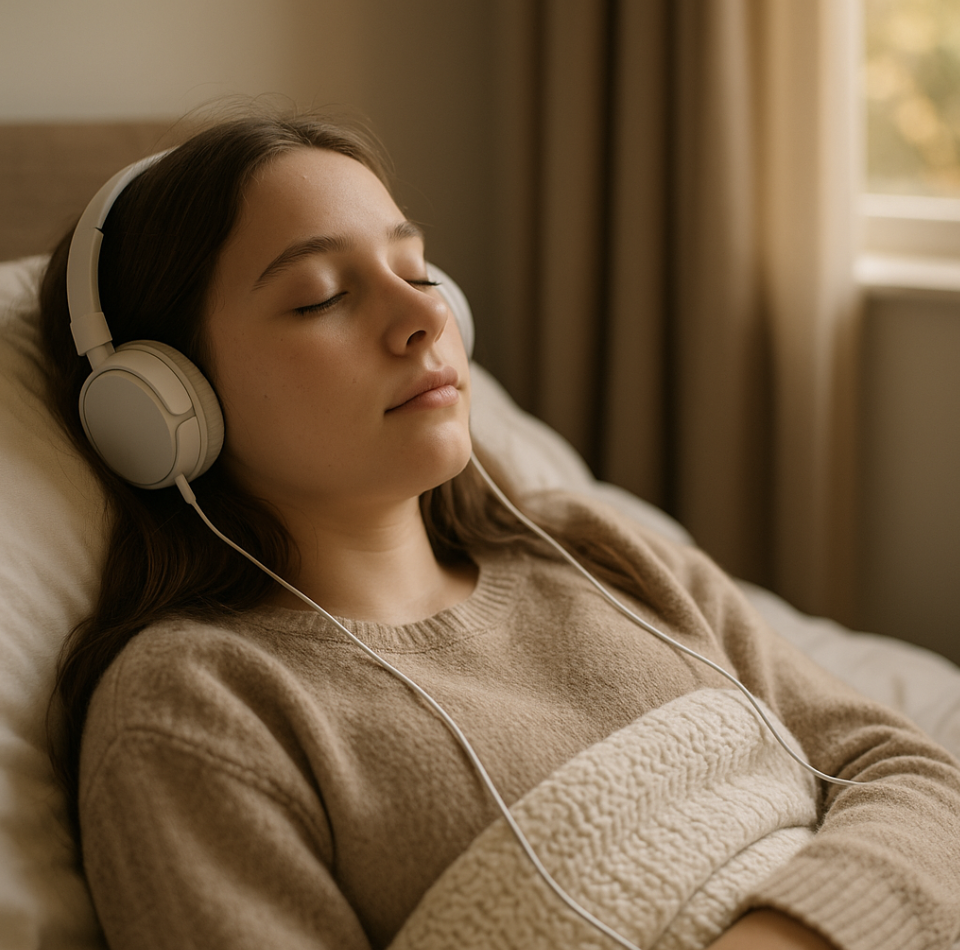
Sleep struggles are more common than you might think—especially for anxious teens. Whether it’s trouble falling asleep, waking up frequently, or never feeling fully rested, poor sleep can impact every part of life. And if your teen is already dealing with anxiety, trauma, or mood swings, disrupted sleep can make it all feel worse. The relationship between sleep and mental health is deeply intertwined—and therapy can help untangle the cycle.
Let’s explore how sleep and mental health affect each other, plus practical ways to improve rest and emotional well-being.
How Sleep Impacts Mental Health
Research shows that getting enough high-quality sleep is one of the most protective things we can do for our mental health. For teens especially, consistent sleep is essential for:
Emotional regulation: A well-rested brain is better equipped to handle stress, frustration, and disappointment.
Mood stability: Teens who don’t get enough sleep are more prone to irritability, sadness, and even symptoms of depression.
Cognitive function: Focus, memory, and decision-making improve when the brain is rested.
When sleep is interrupted, everything feels harder. Emotional reactions feel bigger. Problems feel more overwhelming. And it’s harder to use the healthy coping skills your teen might already know.
How Mental Health Affects Sleep
Anxiety, depression, and trauma can all wreak havoc on sleep.
Anxious thoughts often show up the moment things quiet down at night.
Stress hormones keep the body in a state of alertness, making it hard to relax.
Trauma triggers can lead to nightmares, restlessness, or even fear of going to bed.
This creates a frustrating cycle: poor sleep worsens emotional health, and poor emotional health disrupts sleep. For teens, this cycle can lead to school challenges, difficulty with friendships, or feeling “on edge” all the time.
Strategies for Better Sleep
The good news? There are simple, effective strategies that can support better rest. Here are a few to try:
Create a calming nighttime routine
Gentle rituals like a warm shower, herbal tea, or reading can cue the body to wind down.Limit screen time before bed
The blue light from phones and tablets can disrupt melatonin, the hormone that helps us sleep.Use grounding techniques
Deep breathing, progressive muscle relaxation, or guided meditations can help calm an anxious mind.Keep a worry journal
Writing down worries before bed gives them a place to live—so they don’t circle in your head all night.Stick to a consistent sleep schedule
Going to bed and waking up at the same time each day can help regulate your teen’s internal clock.
If your teen struggles to sleep despite trying these tips, it might be time to address the underlying emotional stress contributing to restlessness.
How Therapy Can Help With Sleep and Mental Health
As a therapist specializing in anxiety and EMDR, I work with teens to uncover what’s really keeping them up at night—whether it’s constant worry, unresolved trauma, or the pressure to be perfect. Therapy can help:
Process what’s fueling anxiety or fear
Teach emotional regulation skills
Reset the nervous system through techniques like EMDR
Build a personalized plan to support both emotional and physical rest
When your teen starts sleeping better, their entire outlook begins to shift. They feel more capable, more resilient, and more connected.
Ready to Support Your Teen's Sleep and Mental Health?
If your teen is stuck in a cycle of stress and sleepless nights, therapy might be the missing piece. Together, we can help them feel calm, rested, and confident again.
👉 Schedule a consultation to learn more about how therapy can support your teen’s emotional health and sleep habits.