

School Anxiety Therapy NJ
Every August, parents hope this will be the year anxiety doesn't run the show — but hope alone rarely holds up once school stress hits. If your child struggles with morning battles, stomachaches, or avoidance, a therapy intensive can help before the year gains momentum. Instead of spreading progress across months of weekly sessions, we spend focused, uninterrupted time building the emotional foundation your child needs. Learn how school anxiety therapy NJ families trust can set up a stronger, more confident school year.

Summer Anxiety in Teens
Summer is supposed to be the easy season, so why does your teen seem more anxious than ever? Disrupted routines, too much unstructured time, social media comparison, and looming back-to-school worries can all quietly increase anxiety during the months school is out. Help your teen feel confident and ready before September arrives!
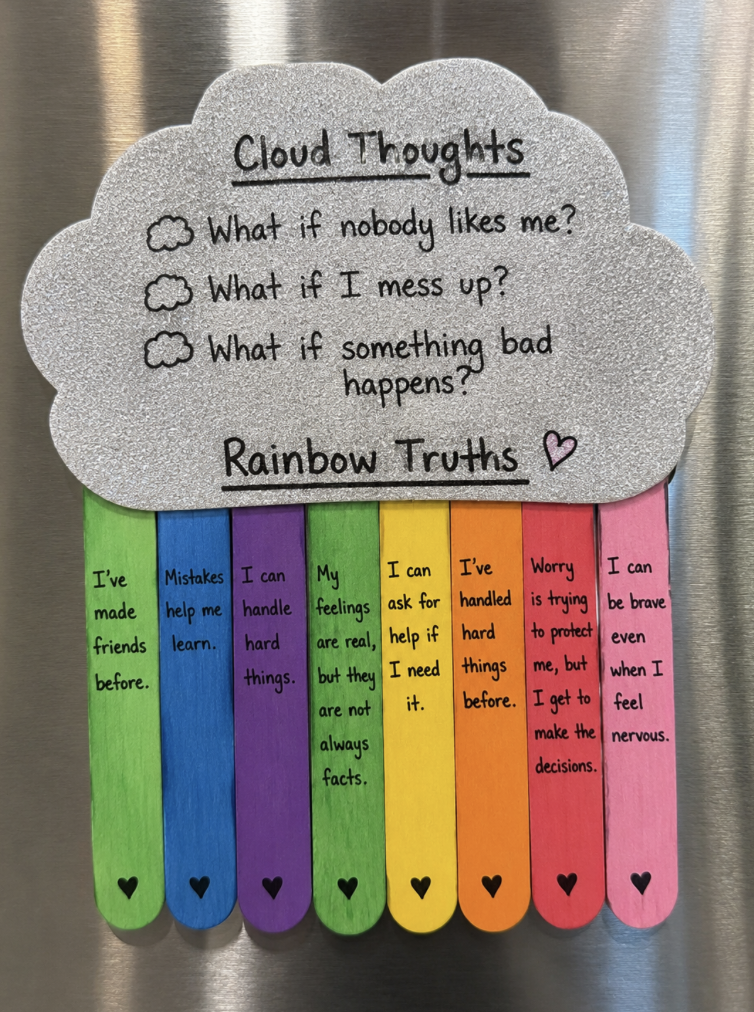
Anxiety Activities for Kids: Cloud Thoughts and Rainbow Truths for Managing Worry
Is your child stuck in a cycle of "what if" worry? The Cloud Thoughts → Rainbow Truths activity helps kids ages 6–12 recognize anxious thinking and find realistic, grounding truths to hold onto. Learn how to do this simple, therapist-approved anxiety activity at home — and when it may be time to seek additional support from a child therapist in New Jersey.
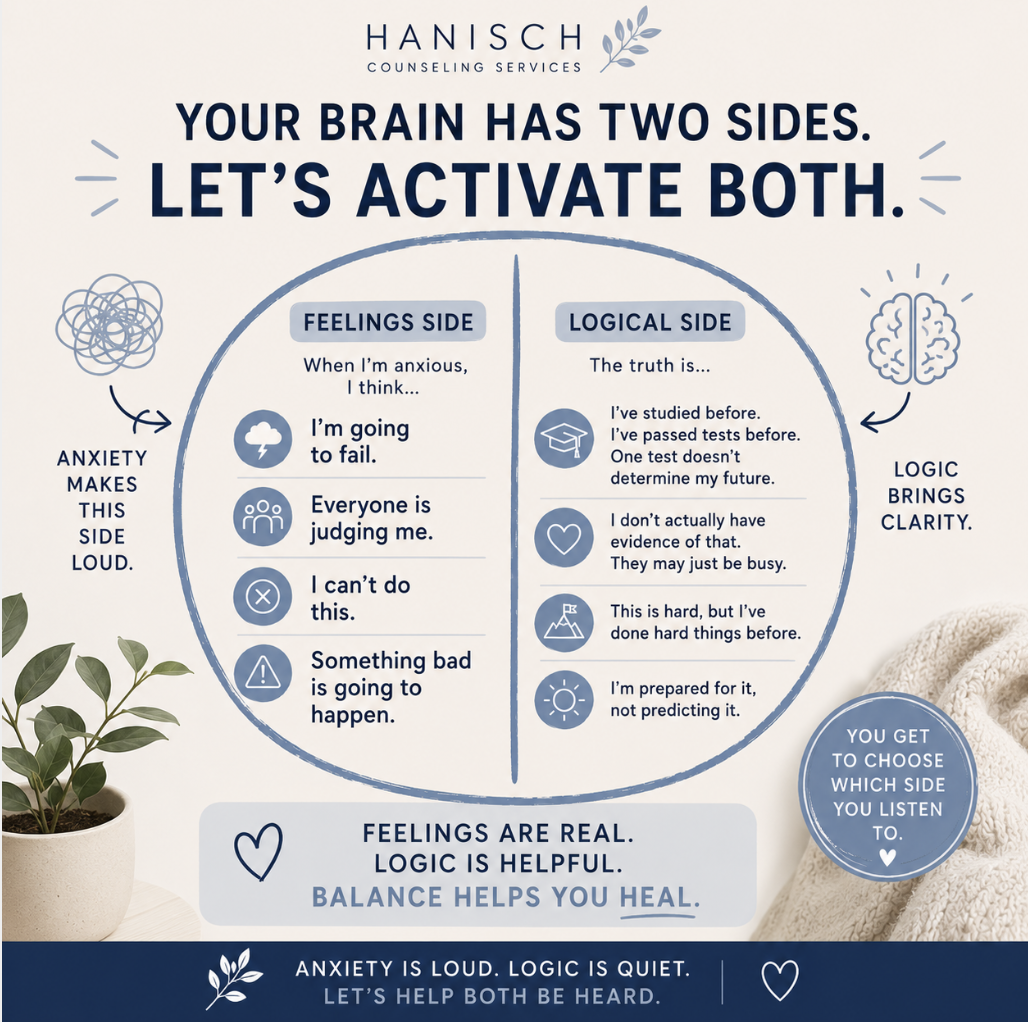
Anxiety in Teens: The Feelings Side vs. Logical Side Exercise
Does your teen believe every anxious thought — even when it isn't true? Anxiety in teens doesn't just create worry. It creates certainty. The Feelings Side vs. Logical Side exercise is a simple, therapist-approved tool that helps anxious teens separate what they feel from what is actually true. Discover practical ways to use it at home to support your teen's mental health.

Signs Your Teen Is in Survival Mode
Is your teenager constantly on edge, emotionally shut down, or running on empty — no matter how much they sleep? They might be living in survival mode. When chronic stress or trauma pushes the nervous system into permanent overdrive, teens can't simply "snap out of it" — because this isn't a mindset problem. It's a nervous system problem. Learn the signs of survival mode in teens, why it develops, and how EMDR therapy for teens can help your child move from just getting through the day to actually feeling safe again.

How to Set Realistic Mental Health Goals for Teens This Summer
Summer can bring freedom from school stress, but for many teens struggling with anxiety and low self-esteem, it can also increase social media comparison, overthinking, and emotional overwhelm. In this blog, we explore how to help your teen set realistic mental health goals that support emotional well-being without adding pressure or perfectionism. Learn practical ways to encourage confidence, reduce summer anxiety, and understand how EMDR therapy for teens can help prepare them emotionally for the months ahead.

How to Help Your Anxious Teen Feel Ready for college
Your teen got into college. That was supposed to be the hard part. So why do they seem more anxious than ever? College anxiety peaks in the summer before move-in — and most families wait too long to address it. Here's what's actually driving your teen's fear, what helps, and why EMDR therapy may be the most powerful thing you can do before they leave home.

Reunification Therapy in New Jersey
When a parent-child relationship breaks down after divorce or estrangement, it can feel like there's no way back — but there is. Reunification therapy in New Jersey offers families a structured, compassionate path to rebuilding trust and connection, even in the most difficult custody situations. If your family is struggling with estrangement or a court has recommended reunification therapy, we’re here to help.
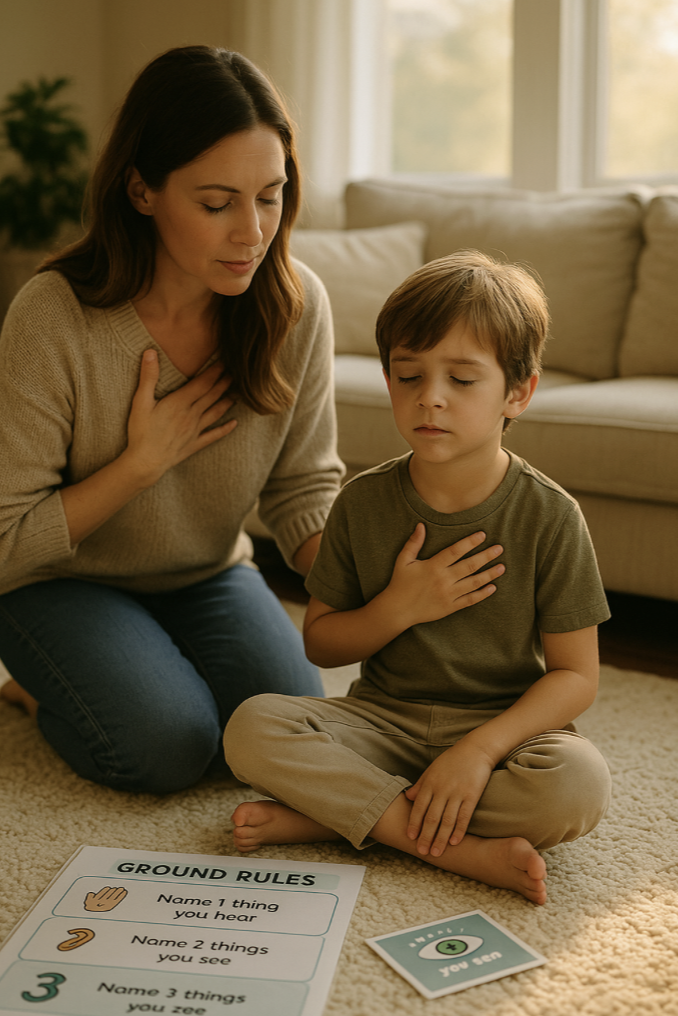
the 3-3-3 Grounding technique
When anxiety takes over, your child doesn’t need more words—they need grounding. The 3-3-3 Rule is a simple, kid-friendly technique that helps anxious children feel safe, present, and back in control. Learn how to use it during anxiety spikes, how to turn it into a calming game, and why it's one of the most effective coping skills for kids dealing with school anxiety and everyday overwhelm.

Child Therapist for Separation Anxiety
Separation anxiety can make everyday moments — like school drop-off or bedtime — feel unbearable for your child and overwhelming for you. The good news is that a child therapist for separation anxiety can help your child build the skills they need to feel safe, confident, and calm — even when you're apart.

Gratitude Exercises for Anxious People
Anxiety makes it hard to notice anything good — even when good things are right in front of you. Gratitude isn't about forced positivity or pretending things are okay. It's a practice that actually changes how your brain processes stress, and there are simple ways to start even on your hardest days.

a Worry Box: A Simple Coping Tool for Kids
A worry box is more than just a creative activity—it’s a powerful coping tool that helps kids manage stress and anxiety in a healthy, hands-on way. By giving children a place to release their worries, this simple strategy supports emotional regulation, builds resilience, and introduces coping skills.
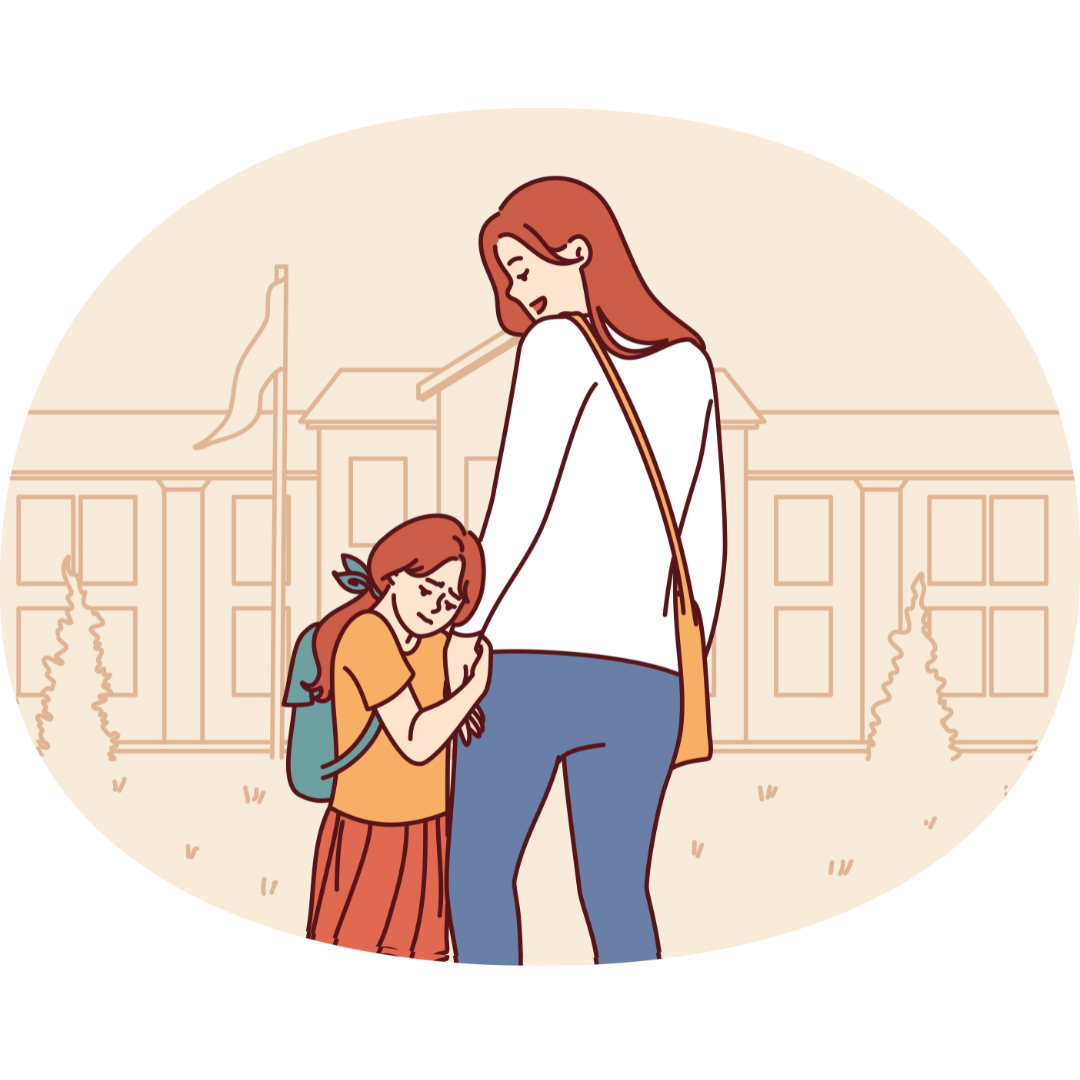
Anxiety Therapy for Children NJ
If your child is melting down over small things, avoiding activities they once enjoyed, or constantly asking “what if,” you may be wondering whether this is just a phase or something more. For many parents, these subtle shifts can be confusing and easy to dismiss. But in children ages 8 to 12, anxiety often shows up in ways that don’t look like anxiety at all.

How Therapy Intensives Help Break Through Emotional Blocks in PTSD Therapy
If you feel stuck in trauma therapy, you are not alone. This article explains how working with a PTSD therapist through therapy intensives can help break through emotional blocks and support deeper healing.

How Trauma Therapy and EMDR Therapy Help Heal Attachment Wounds
Relationship trauma can leave lasting emotional wounds that make new relationships feel anxiety-provoking or overwhelming. Explore how attachment wounds develop, why certain relationship experiences feel triggering, and how trauma therapy and EMDR therapy can help people process past hurt and rebuild emotional safety in connection with others.

Love Languages and Trauma
When love languages and trauma overlap, thoughtful gestures may not immediately create emotional safety. A partner can offer affection or reassurance, yet your nervous system may still feel guarded. This response often reflects attachment trauma rather than a lack of appreciation. Emotional safety develops slowly through consistent, calm, and attuned connection. Small moments of co regulation, like sitting quietly and holding hands, can gently teach the body that closeness is safe again.

OCD Treatment in New Jersey
Many people seeking OCD treatment in New Jersey struggle with persistent doubt, even after they have already checked something like a locked door. Therapy focuses on helping individuals resist the urge to recheck and instead tolerate uncertainty. Over time, this reduces anxiety and weakens the OCD cycle, allowing people to move forward with greater confidence and flexibility.

How Attachment Styles Show Up in Childhood and Teen Relationships
Attachment styles develop early in life and shape how teens experience closeness, conflict, and reassurance in relationships. When anxious teens struggle with intense emotions or withdrawal, these patterns are often protective adaptations—not flaws—and can shift with supportive, attachment-based therapy.

OCD in Adults: How Exposure Therapy (ERP) Helps You Break the Cycle
OCD in adults is driven by intrusive thoughts, anxiety, and compulsions that can take over daily life. Learn how exposure therapy (ERP) works, what to expect from OCD therapy, and how in-person or online treatment can help you regain control.

Recognizing and Managing Loneliness in Teenagers
Loneliness is something many teenagers experience, yet few talk about openly. For anxious teens, loneliness often shows up as emotional withdrawal, self-doubt, or feeling unseen—even when they aren’t physically alone. These feelings aren’t a failure or something to push away; they’re signals that your teen may need connection, understanding, and support.