
EMDR therapy
in essex county, new jersey

EMDR is a powerful therapy for those dealing with trauma, anxiety, and overwhelming emotions. This approach helps individuals process distressing memories and experiences in a safe, structured way, allowing them to heal and move forward.
EMDR (Eye Movement Desensitization and Reprocessing) is especially effective for teens who have experienced trauma, whether from bullying, family conflict, or other distressing events. Unlike traditional talk therapy, EMDR targets the root of these memories, allowing teens to process and move past them without reliving the experience. This method offers rapid results, often making a significant difference in just a few sessions.
what is emdr?
How It Works
-
EMDR uses bilateral stimulation (eye movements, tapping, or sounds) to help the brain process and reframe traumatic memories.
-
EMDR helps reduce the intensity of old memories, so they no longer trigger the same stress, fear, or emotional overwhelm
-
EMDR supports emotional healing by helping you regulate intense feelings, strengthen your coping skills, and take back your sense of control.
Who EMDR Helps
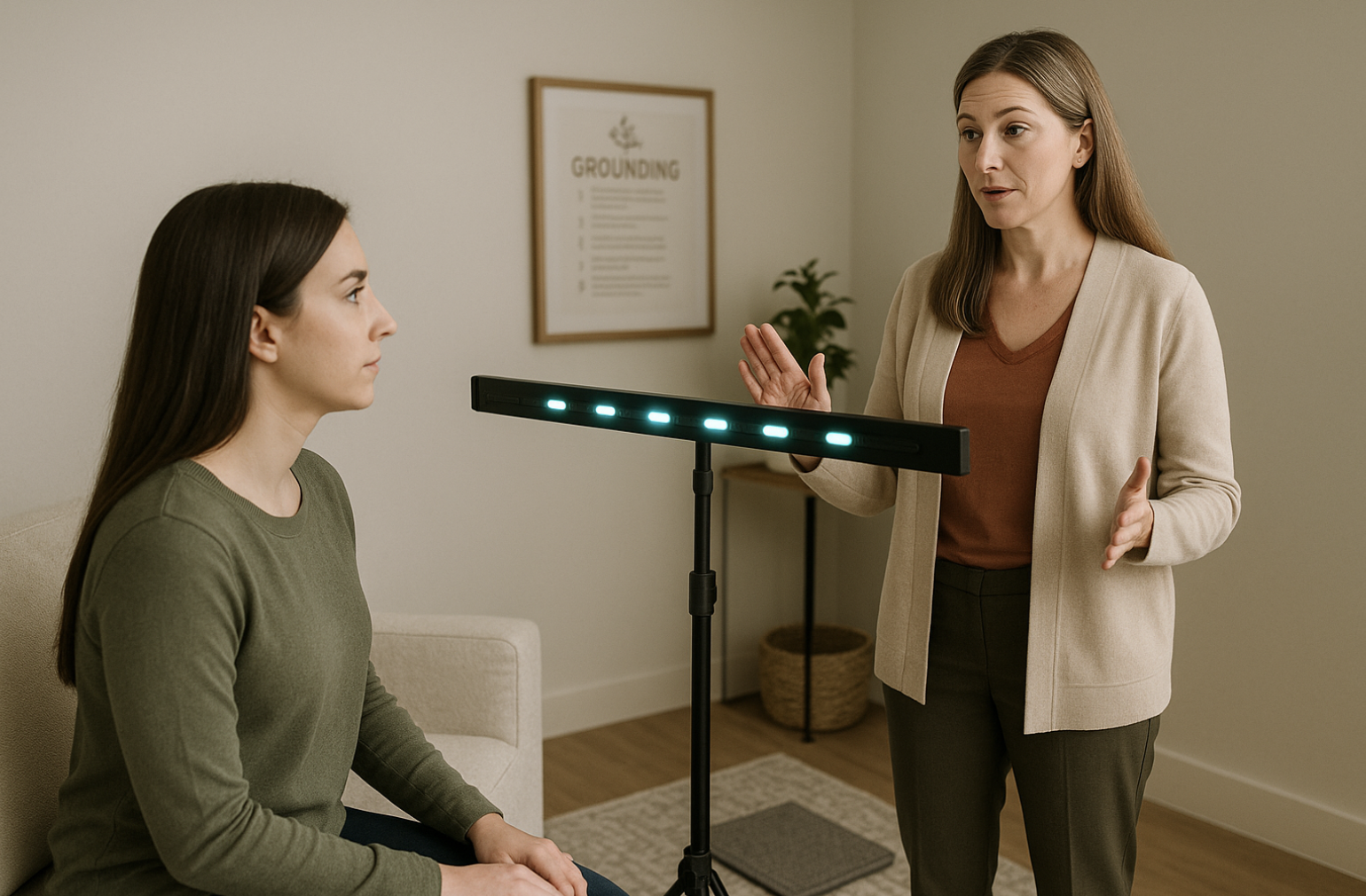
EMDR works for anyone whose brain got stuck replaying something painful — a teen dealing with bullying or family conflict, an adult carrying an old trauma, a parent burned out from years of holding everyone else together. The pattern is the same: the memory or event doesn't just live in the past, it keeps firing off the same fear, shutdown, or overwhelm in the present.
Sometimes, talking about the past isn't enough to fully heal from it.
EMDR (Eye Movement Desensitization and Reprocessing) is a research-backed therapy that helps your brain process difficult memories and emotional experiences — without needing to talk through every detail. It's especially useful when anxiety, trauma, or painful events from the past still feel stuck in your body or mind, even if you "know" you're safe now.
Instead of staying caught in old patterns, EMDR helps you feel calmer, more in control, and less triggered by what used to overwhelm you. It works by helping the brain reprocess what happened — so it no longer holds the same emotional weight.
Many people find relief faster than they expected, often in just a few sessions.
How EMDR Works: 8 Stages
-
We start by understanding your story — what's bringing you in, what memories or patterns are still holding weight, and what a good outcome looks like for you.
-
Before touching anything difficult, we make sure you have real tools to stay grounded and regulated during the work.
-
We identify the specific memory to target, along with the image, belief, and emotion connected to it.
-
Using bilateral stimulation, we process the memory until it no longer carries the same emotional charge.
-
We strengthen a more accurate, empowering belief in place of the old one the memory used to reinforce.
-
We check for any lingering tension or distress still held in the body, and process that too.
-
Every session ends with you feeling stable and grounded, whether or not the processing is fully complete.
-
We start the next session by checking what's shifted, making sure progress is holding before moving forward.
Frequently Asked Questions about emdr in essex county, nj
-
Yes— EMDR is an evidence-based therapy recognized by the American Psychological Association and World Health Organization, and it's used successfully across ages — from adolescents processing bullying or family conflict to adults working through longstanding trauma or anxiety.
-
Yes! Unresolved trauma or old wounds don't just affect the person who experienced them — they show up in relationships too, shaping trust, communication, and reactivity. EMDR can help each partner process what's driving those patterns, individually or as part of couples work.
-
It depends on what you're processing, but many clients see meaningful change within 6–12 sessions — often faster than traditional talk therapy. If you want quicker results, our EMDR intensives condense the process into focused, extended sessions.
-
No… This is one of the biggest differences from talk therapy. EMDR works by targeting how the brain stores the memory, not by requiring a detailed retelling.
-
Anxiety, trauma (single-incident or long-term), bullying, family conflict, grief, big life transitions, relationship patterns, and emotional overwhelm that talk therapy hasn't fully resolved (just to name a few)…
-
Weekly EMDR spreads processing across regular sessions over weeks or months. An intensive condenses that same work into one or several extended sessions — a good fit if you want results before a deadline or have a schedule that doesn't support weekly visits.
Contact us.
Anxiety, trauma, or just feeling stuck—whatever’s holding you back, EMDR can help. We offer virtual EMDR therapy in New Jersey, Florida, Connecticut, South Carolina, and Vermont, creating a safe space to work through difficult memories and get real relief that lasts.
