The Dream Catcher of Feelings
A Creative Coping Skill for Kids
When children feel overwhelmed by big emotions, it can be hard for them to find the right words to explain what’s going on inside. That’s why hands-on, creative coping strategies can be such a powerful tool for emotional regulation. One of my favorite activities is making a “Dream Catcher of Feelings.” This fun craft doubles as a coping skills activity for kids and helps them recognize and manage stress, anxiety, and other challenging emotions.
How It Works
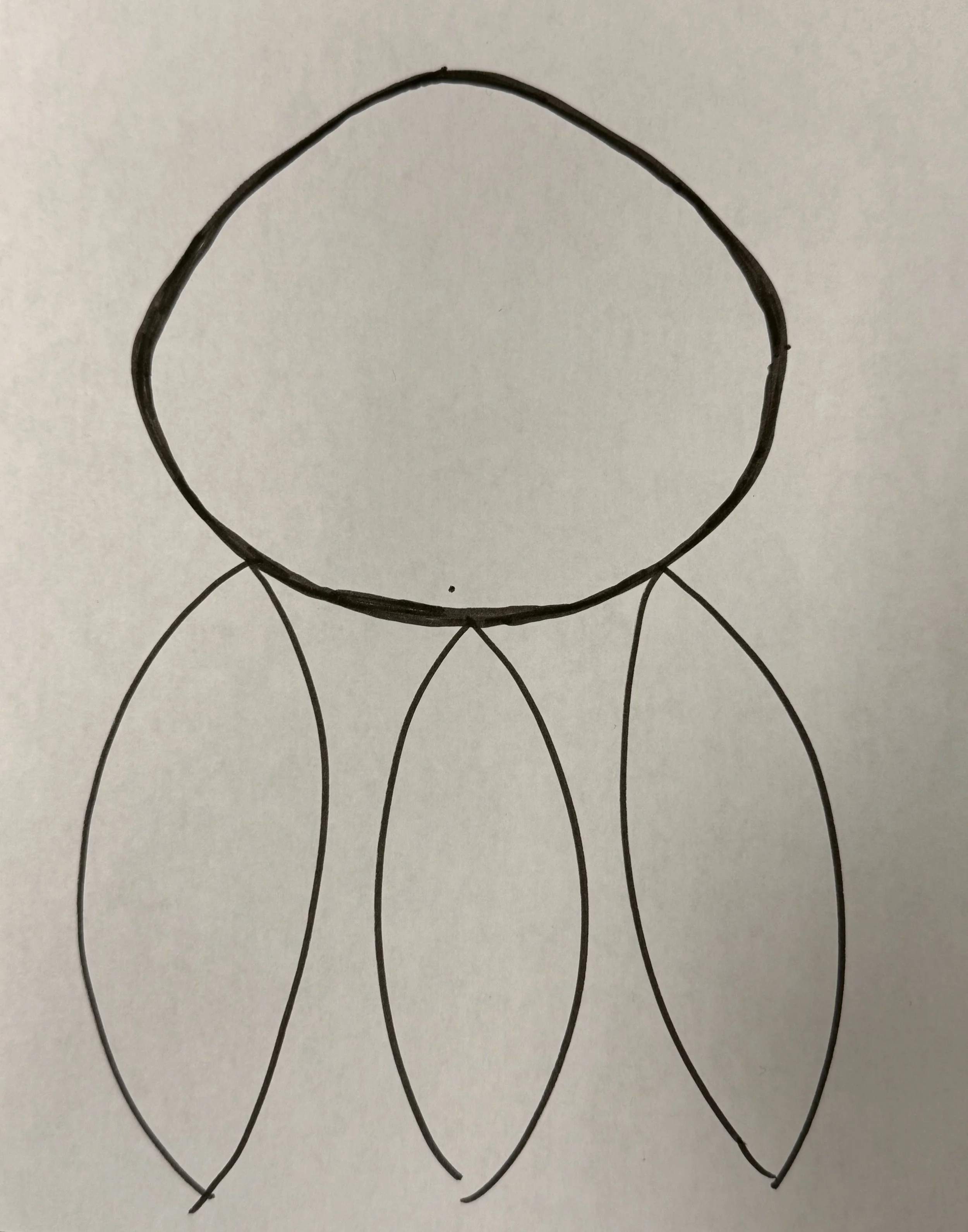
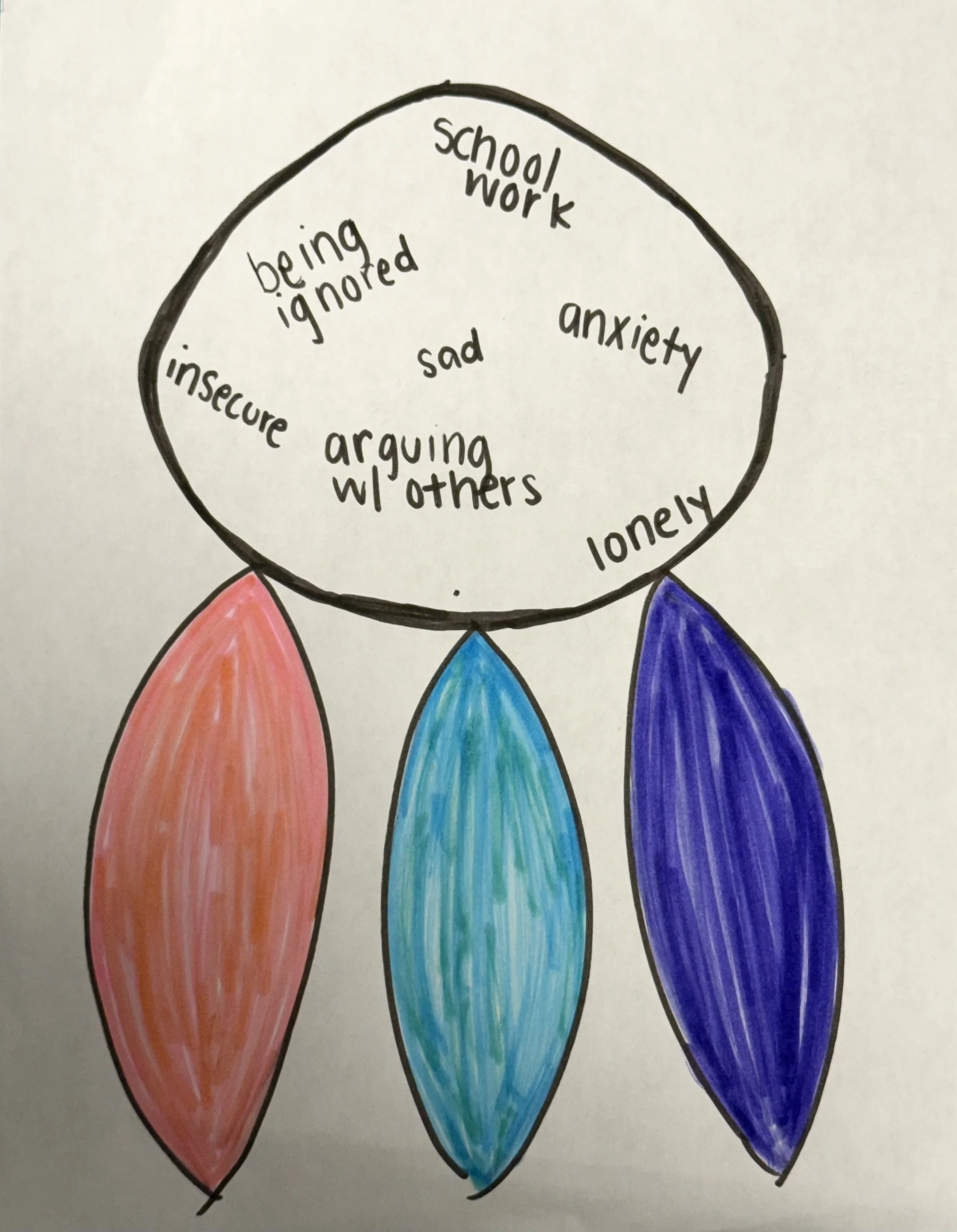
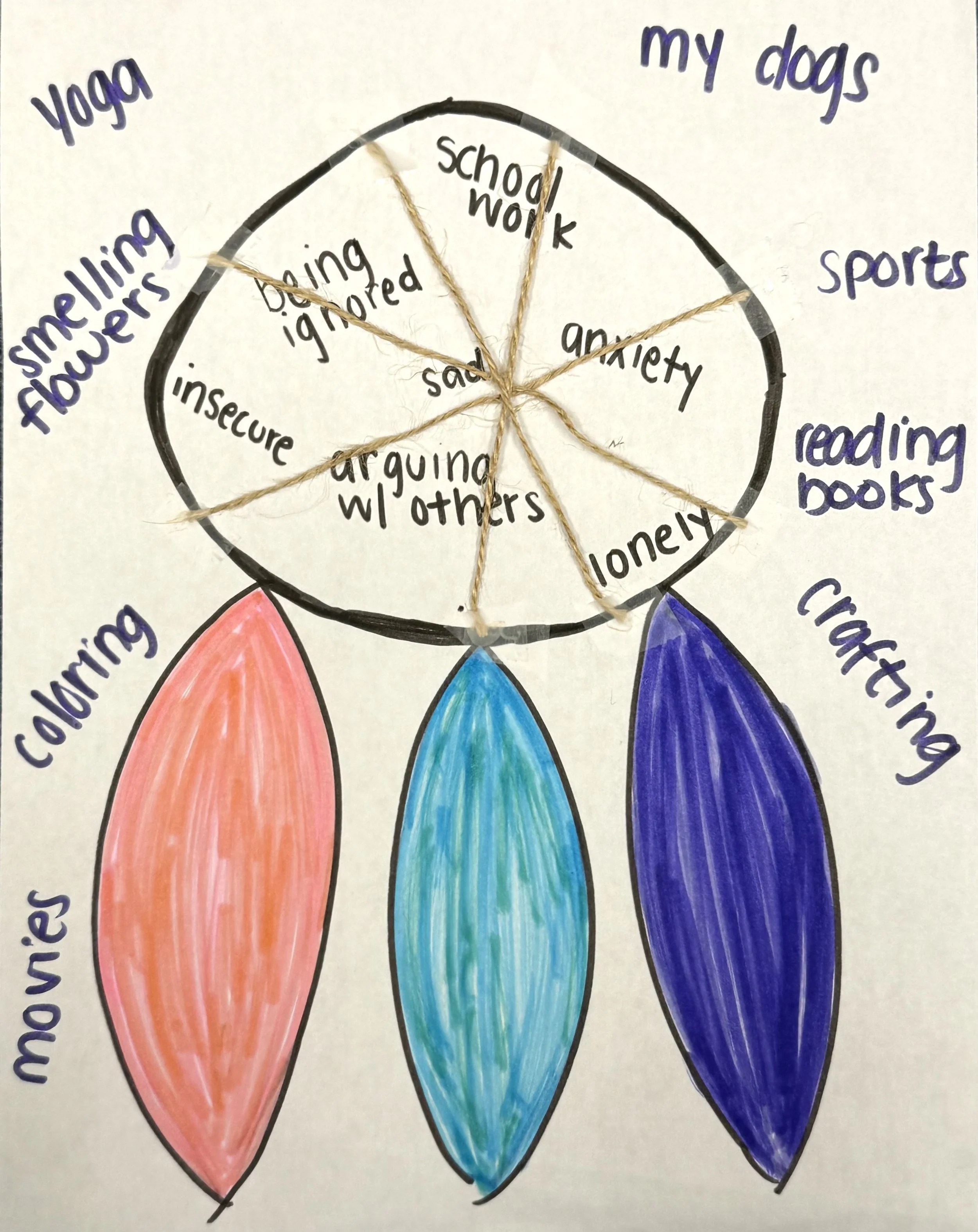
In this activity, the large circle at the top represents the child’s mind. Inside the circle, the child writes down the feelings, thoughts, or stressors they’ve been dealing with—things like “school work,” “being ignored,” “anxiety,” or “lonely.” The three hanging shapes represent positive coping tools, such as activities or strategies that help them feel calmer and more in control.
String or yarn is then added to “connect” the stressful thoughts to the coping skills, showing how each worry can be supported with a calming tool. This visual reminder helps children see that they have strategies to cope when life feels overwhelming.
Why It’s Effective
Visual learning: Many kids respond well to visual aids. The dream catcher gives them a way to “see” their coping skills.
Creative engagement: Crafting and coloring make the process enjoyable, which increases buy-in from the child.
Emotional awareness: Writing down stressors and coping skills encourages emotional vocabulary development.
Empowerment: Children leave the activity with a tangible reminder that they have the power to manage their feelings.
Other Easy Coping Skills
You can enhance the Dream Catcher of Feelings by teaching additional calming strategies for kids, such as:
Belly breathing – Have your child place a hand on their belly, take slow breaths in through the nose, and feel their belly rise and fall.
5-4-3-2-1 grounding technique – Name 5 things you see, 4 things you feel, 3 things you hear, 2 things you smell, and 1 thing you taste.
Movement breaks – Simple stretches, yoga poses, or jumping jacks to release built-up energy.
Sensory calming tools – Stress balls, fidget toys, or calming jars filled with glitter and water.
Positive self-talk – Teach them to replace “I can’t” thoughts with encouraging phrases like “I can try my best.”
Making Coping Skills Fun and Accessible
Helping your child build a personalized set of coping skills can make all the difference in managing childhood anxiety. The Dream Catcher of Feelings is a wonderful activity for parents, teachers, or child therapists to use in therapy sessions, classrooms, or at home. By combining creative expression with practical coping techniques, children can feel more prepared to handle life’s challenges—and see that even on tough days, they have tools to help them feel safe, calm, and in control.