Fear of Panic Attacks in Teens
Fear of Panic Attacks in Teens:
Why Anxiety Feels So Scary
Your teen is sitting in class when their heart suddenly starts racing... They feel dizzy… Their stomach drops... Their hands start shaking... And immediately, their brain goes to the worst possible scenario.
→ What if I have a panic attack?
→ What if I throw up in front of everyone?
→ What if people notice something is wrong with me?
→ What if I can't get out of the classroom?
Suddenly, they're not just anxious about whatever triggered those feelings. They're anxious about the anxiety itself.
The fear of panic attacks in teens can become just as overwhelming as the original anxiety. And for teens who worry about embarrassment or judgment, the thought of other people noticing their symptoms can make everything feel even worse.
This is something I see with teens who struggle with panic attacks, social anxiety, and fear of embarrassment.
Why Do Physical Anxiety Symptoms Feel So Scary?
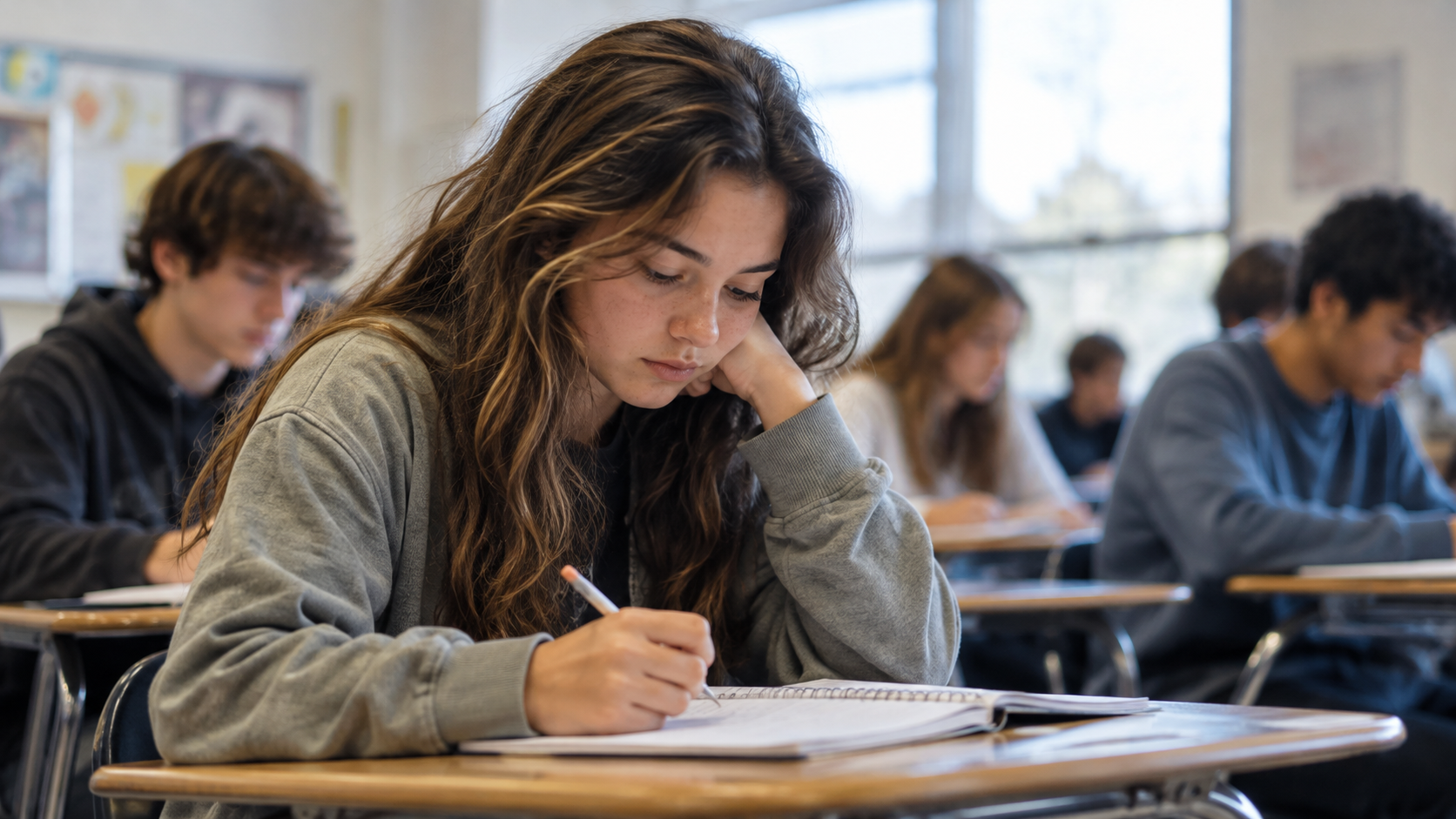
Anxiety isn't just something that happens in your thoughts.
It's a physical experience, too.
Common teen anxiety physical symptoms include a racing heart, nausea, dizziness, sweating, shaking, shortness of breath, and feeling like your throat is tightening.
These sensations can happen when the body's stress response kicks in.
The problem is that teens don't always recognize what's happening.
They might interpret a racing heart as a sign they're about to lose control. Nausea might mean they're going to throw up. Feeling dizzy might mean they're going to faint.
And once they start monitoring those sensations, they may notice every little change in their body.
The more they focus on the symptoms, the more threatening those symptoms can feel.
This is one reason the fear of panic attacks in teens can become so intense. They're not just afraid of the situation anymore. They're afraid of how their own body might react.
Of course, new, severe, or unexplained physical symptoms should be medically evaluated rather than automatically attributed to anxiety.
How the Fear of Panic Attacks in Teens Becomes a Cycle
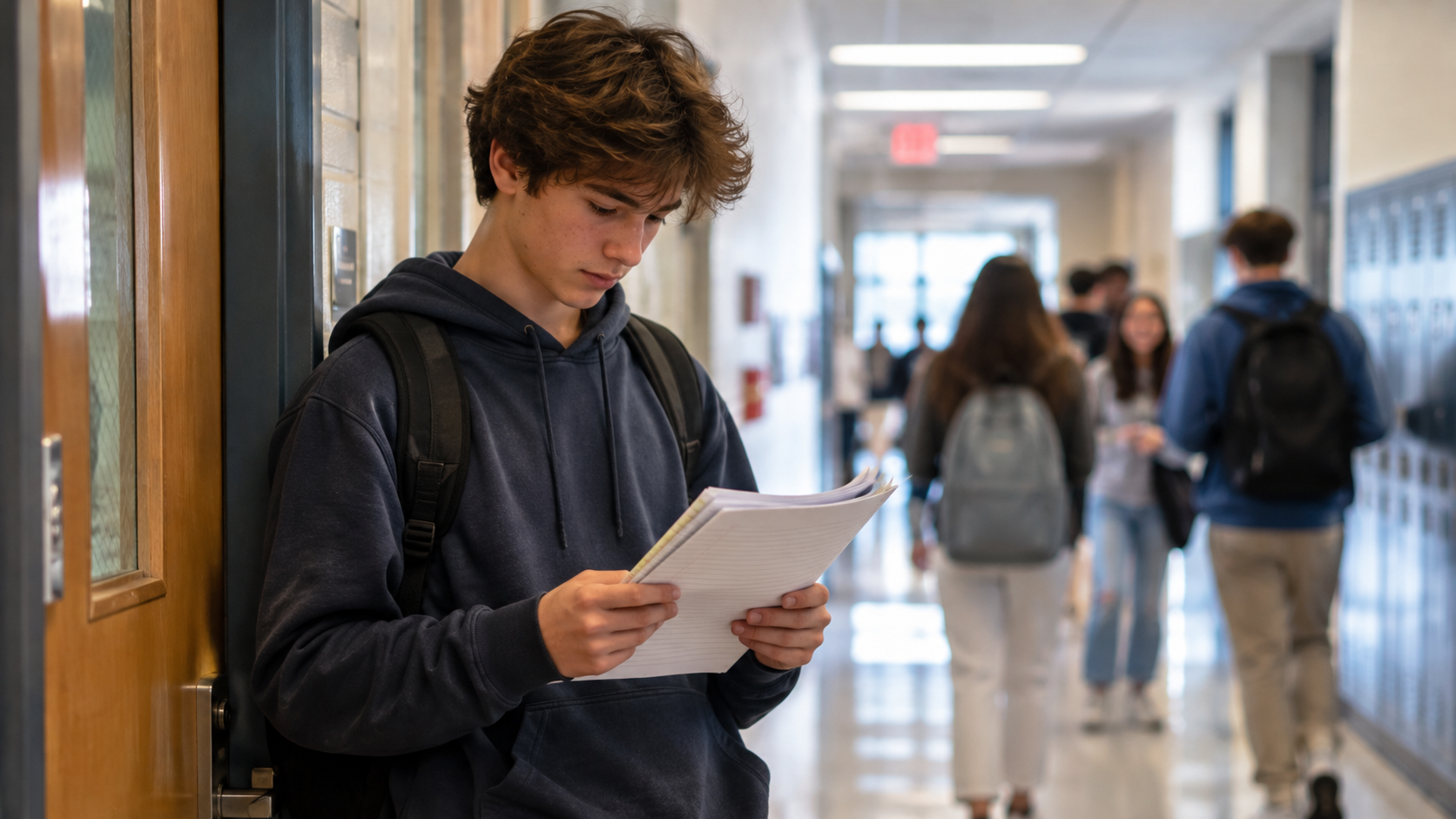
One of the biggest challenges with panic attacks isn't always the panic attack itself.
It's the anticipation of having another one.
Imagine a teen who experiences a panic attack during a school presentation.
Maybe their heart races, their face gets hot, and they feel like they can't breathe.
The experience is terrifying.
Now, every time they have to speak in class, they're thinking about whether it might happen again.
They start checking their heart rate. They pay attention to their breathing. They scan their body for any sign that panic is coming. And the moment they notice something?
Oh no. It's happening again.
Their anxiety increases. Their heart beats faster. They feel even more uncomfortable.
And now they're convinced the panic attack is coming.
This is how the fear of panic attacks in teens can turn into a cycle. They become afraid of the physical sensations, which increases their anxiety, which can make those same sensations more intense.
Social Anxiety Isn't Always About What Already Happened
When we talk about anxiety, we often focus on past experiences. Maybe a teen was embarrassed during a presentation or rejected by a friend. But teens with social anxiety don't always need a previous embarrassing experience to feel terrified. Sometimes they're imagining something that might happen.
They picture walking into the cafeteria and having nobody to sit with.
They imagine answering a question incorrectly and everyone laughing.
They picture having a panic attack during class and their classmates staring.
Their brain rehearses the worst possible outcome before the situation even happens.
This is called anticipatory anxiety.
And here's what makes it so difficult: your teen can feel genuinely anxious about something that hasn't even happened.
Their body may respond to the imagined situation with real anxiety symptoms. For teens who already fear panic attacks, imagining those symptoms happening in front of other people can make social situations feel even more threatening.
The fear isn't always just “What if I panic?”
Sometimes it's “What if I panic and everyone sees?”
Why Avoidance Can Make Teen Anxiety Worse
Let's say your teen is terrified of having a panic attack at school.
They ask to stay home.
You agree, and almost immediately, they feel better. Naturally, everyone is relieved.
But here's the tricky part… Their brain may begin connecting staying home with feeling safe. So the next morning, school feels threatening again.
This is one reason teen anxiety and school avoidance can become so difficult to manage. Avoidance provides short-term relief. But repeated avoidance can prevent teens from learning that they can experience anxiety and still handle the situation. The fear of panic attacks in teens may also lead to avoiding sports, social events, restaurants, presentations, or anywhere they worry about feeling trapped or embarrassed.
That doesn't mean forcing a struggling teen into overwhelming situations without support. It means helping them gradually build confidence in their ability to handle uncomfortable feelings.
How Can Therapy Help Teens Who Fear Anxiety?
When I'm working with teens who fear their own anxiety symptoms, one of our goals is helping them change their relationship with those sensations. Instead of immediately thinking, “Something terrible is happening,” we want them to recognize:
“This feels uncomfortable, but it doesn't automatically mean I'm in danger.”
Cognitive behavioral therapy (CBT) can help teens understand how thoughts, physical sensations, and avoidance reinforce each other.
Treatment may also include gradual exposure to feared situations or physical sensations. This helps teens learn that uncomfortable feelings aren't always dangerous and don't automatically require escape.
For some teens, EMDR therapy may also be worth exploring, particularly when distressing experiences or negative beliefs contribute to their anxiety.
For example, a teen who experienced a frightening panic attack during a presentation may continue to associate speaking in front of others with embarrassment or danger.
EMDR may help address distress connected to that experience. However, CBT and exposure-based approaches have stronger established evidence for treating panic symptoms, and EMDR intensives haven't been shown to produce faster results for teen panic.
The right treatment depends on what's driving the anxiety.
What Can Parents Do When Their Teen Fears Panic Attacks?
One of the most helpful things parents can do is stop treating every anxiety symptom as an emergency.
That doesn't mean dismissing how your teen feels. If your teen says their heart is racing or they're afraid they're going to panic, those feelings are real. But immediately helping them escape every uncomfortable situation can accidentally reinforce the belief that anxiety is dangerous.
Instead, focus on helping them feel supported while building confidence.
You might say:
“I know this feels scary. We've seen this feeling before, and we can work through it.”
Or:
“You don't have to feel completely calm before you try.”
Try to avoid repeatedly promising that nothing uncomfortable will happen. The goal is helping your teen believe they can handle discomfort, even when they can't predict exactly how they'll feel. When the fear of panic attacks in teens begins interfering with school, friendships, or daily activities, professional support can help families respond in ways that reduce avoidance rather than strengthen it.
Your Teen Doesn't Need to Feel Calm to Handle Hard Things
One of the biggest things I want anxious teens to understand is that confidence doesn't necessarily come from never feeling anxious. It comes from learning that anxiety is something they can experience without automatically needing to escape.
Your teen can feel nervous before a presentation and still give it.
They can notice their heart racing and continue participating in class.
They can worry about embarrassment without treating embarrassment as something they absolutely cannot handle.
When we help teens become less afraid of their physical anxiety symptoms, we're also helping them trust their ability to get through uncomfortable experiences. If your teen is constantly monitoring their body, avoiding school, or worrying about having another panic attack, therapy can help them understand the cycle and develop the skills to interrupt it.
The goal isn't to make sure your teen never feels anxious again. It's helping them stop being afraid of the feeling itself.

A therapist for teens with a relatable approach.