morning meltdowns- school edition
Is your child anxious about school?
You’re not imagining it.
Your once-smiley kiddo now clings to you before drop-off, panics over forgotten homework, or suddenly has a stomachache every Monday morning.
You’ve tried pep talks.
You’ve tried “tough love.”
You’ve googled “how do I get my child to go to school?” at midnight while holding back tears.
And still, each morning feels like walking a tightrope—between being supportive and falling apart yourself.
If this sounds familiar, you’re not alone.
More and more families are struggling with school anxiety, and it’s not a parenting failure. It’s a signal that your child needs support—and you do too.

What Is School Anxiety?
School anxiety is more than just occasional nervousness about a test or new routine. For some children, the stress tied to school can feel so overwhelming that their brain and body go into full panic mode.
It can show up in ways you might not expect:
Physical complaints like headaches, stomachaches, or fatigue
Tears, meltdowns, or shutdowns before school
Irritability or explosive behavior after school
Perfectionism, procrastination, or avoidance of schoolwork
Trouble sleeping, increased clinginess, or fear of being away from home
These are all signs of child anxiety, and when school becomes the trigger, mornings can become battlegrounds.
Why It’s Not Just “Drama” or “Defiance”
Parents often tell me, “I thought they were just being difficult.”
But school anxiety isn’t about being manipulative or lazy. It’s about a nervous system that feels unsafe—even when everything seems fine on the outside.
Think of it this way: when a child’s anxiety goes unaddressed, their behavior becomes their way of asking for help—even if it comes out sideways.
And while it’s exhausting (I know), the answer isn’t to push harder—it’s to teach better coping skills and get to the root of their stress.
Real-Life Coping Skills for Kids With School Anxiety
You don’t need a degree in child psychology to help your child start feeling better. What you need are simple, consistent tools that give their brain and body what they need to feel safe and in control.
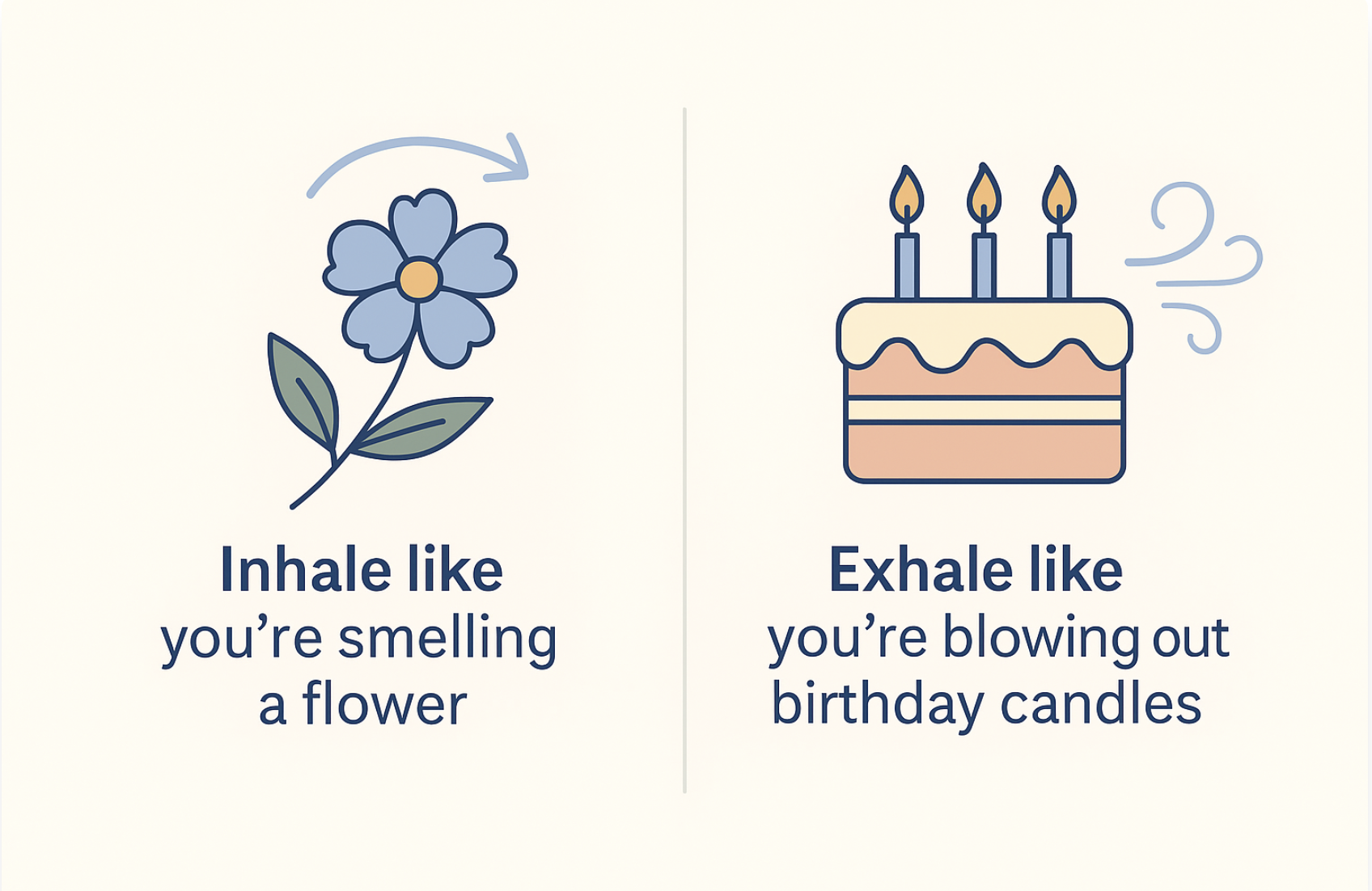
Here are a few foundational coping skills for kids with anxiety:
🧠 Name It to Tame It
Help your child identify what they're feeling. Use visuals or feelings charts. When they can say, "I'm nervous about recess," it reduces the power of the unknown.
💨 Body-Based Calm Downs
Teach physical tools like square breathing, holding an ice cube, or “shake it out” breaks. These regulate the body faster than words can.
📓 Morning Routines That Ground
Anxiety hates unpredictability. Create consistent, low-pressure routines with calming cues like soft music, visual schedules, or a “calm-down” kit in their backpack.
🌱 Build Micro-Moments of Bravery
Use praise and gentle challenges to celebrate even the smallest efforts—like getting dressed, putting on shoes, or walking to the door.
Remember: coping skills for kids aren’t one-size-fits-all. What works for one child might not work for another. The key is consistency, patience, and making the tools feel empowering—not like punishment.
Why Therapy Can Make All the Difference
If you’ve tried all the things and still feel stuck, please hear this:
You haven’t failed. You’ve done your best.
But your child may need more support than you can give on your own—and that’s okay.
Working with a pediatric therapist who specializes in child anxiety and school anxiety can give your child the structure and safety they need to heal.
In my practice, I use evidence-based approaches like CBT, DBT, and EMDR to help anxious kids feel seen, calm, and confident again. Therapy isn’t about labeling or diagnosing—it’s about rebuilding emotional safety so your child can thrive at school and at home.
You Deserve a Plan—Not Just More Guessing
If mornings feel like a minefield and nothing seems to work, you don’t need more “stay calm” advice.
You need a roadmap. Support. And strategies that actually work.
Let’s build that together.
📍 I work with families in New Jersey, Florida, and Vermont, offering virtual and in-person therapy designed to support anxious kids and exhausted parents.
📞 Schedule a free consultation to learn how we can help your child feel calm, capable, and ready to face the school day—with confidence.