What to Expect in a Therapy Intensive Session With Me
What to Expect in a Therapy Intensive Session for Teen Anxiety Support and Faster Progress
Trying something new—especially when it involves your child’s mental health—can bring up a lot of questions. If you’re considering a therapy intensive for your teen, you might be wondering, Will this feel too intense? Will it actually help? What even happens during an intensive session?
Those questions are completely normal!
Therapy intensives are different from traditional therapy in the best way—they offer extended, focused time to work through big emotions and ongoing challenges like teenage anxiety symptoms, panic attacks, or unresolved stress. And they’re designed to help your teen make meaningful progress quickly—without waiting months for small breakthroughs!
Here’s what you can expect before, during, and after a therapy intensive session with me.

Before the Session: Setting the Stage
The first step is a free consultation call, where we’ll talk through what’s going on for your teen, what goals you have, and whether a therapy intensive is the right fit.
Once we decide to move forward, you’ll receive:
✔️ A welcome email with everything you need to know (location, timing, what to bring)
✔️ A pre-intensive questionnaire to help us focus our time
✔️ A short workbook your teen can use to reflect and prepare (no pressure to do it perfectly!)
The goal is to take the stress out of the unknown and make sure both you and your teen feel supported from the start.
During the Session: Focused, Deep, and Personalized
Extended therapy sessions allow us to go deeper than what’s possible in a typical 50-minute appointment. We aren’t rushing to wrap up right as your teen is finally opening up. Instead, we have time to slow down, explore, and process at a pace that feels right.
Here's what a typical therapy intensive session may include:
A warm check-in to set intentions and build comfort
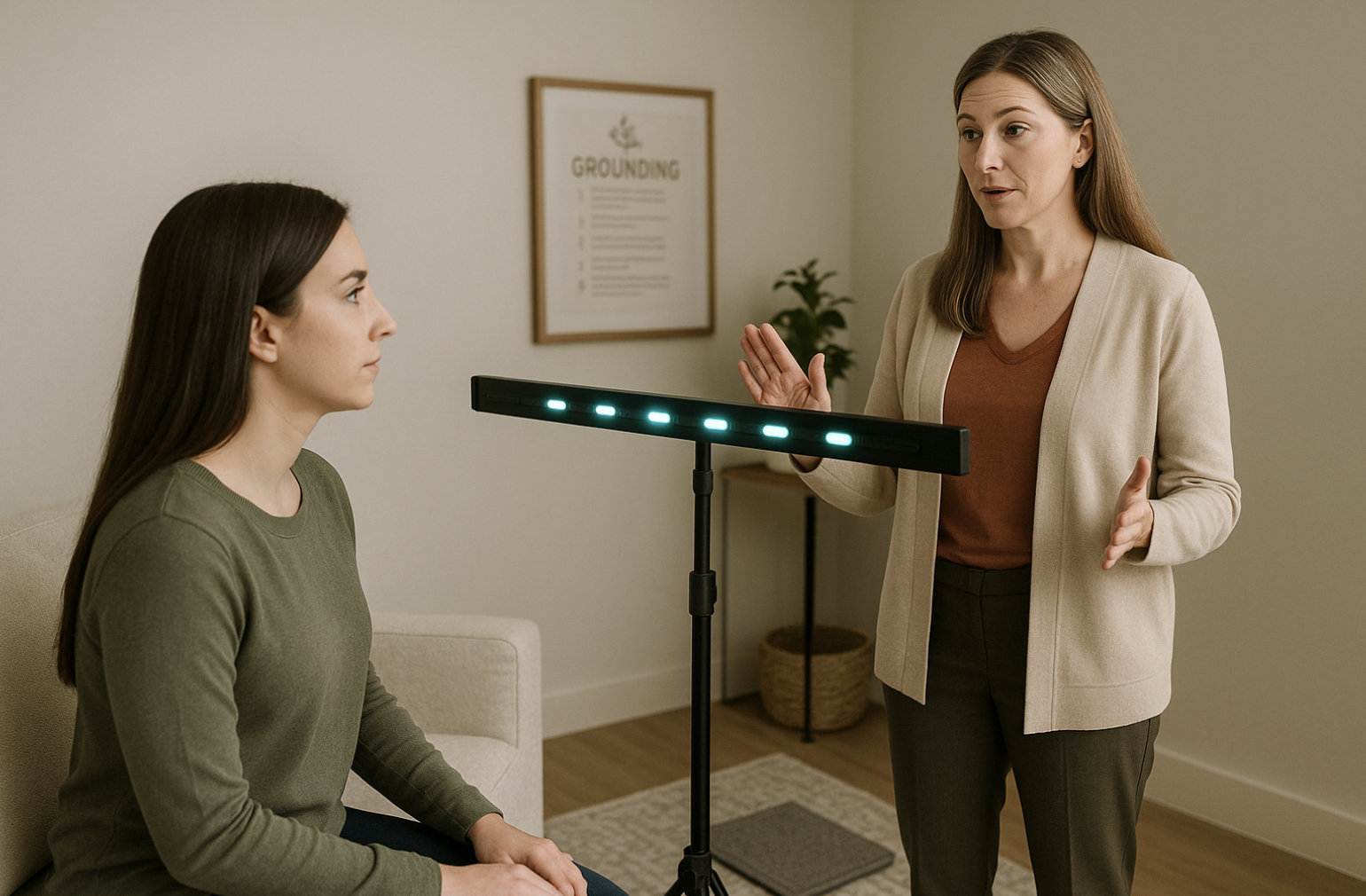
EMDR therapy (Eye Movement Desensitization and Reprocessing) to process difficult experiences and reduce the emotional intensity of anxious thoughts
Bilateral stimulation activities to support emotional regulation
Creative tools like journaling, drawing, or grounding techniques
Breaks when needed—because healing doesn’t have to mean “pushing through”
You’re probably wondering EMDR therapy—how does it work? We use gentle, brain-based techniques to help the mind reprocess stuck memories or beliefs, which is especially effective for teens experiencing anxiety, panic attacks, or perfectionism.
Throughout the session, I’m tuning in to your teen’s emotional cues, making sure they feel safe, seen, and empowered—not overwhelmed.
After the Session: Integration and Support
Healing doesn’t end when the session does.
After the intensive, I’ll provide:
✔️ A reflection worksheet or journaling prompt to help your teen integrate the work
✔️ A short follow-up call or email check-in
✔️ Recommendations for next steps—whether that’s transitioning into traditional therapy, another intensive in the future, or continued support at home
Many teens leave a therapy intensive feeling lighter, more regulated, and more in control of their anxiety. But it’s also completely normal for emotions to continue surfacing in the days that follow. That’s why integration support is a key part of the process.
Is a Therapy Intensive Right for Your Teen?
If your teen is overwhelmed by anxiety, stuck in old patterns, or simply not making progress in weekly therapy, a therapy intensive session may be exactly what they need.
This deep-dive format honors your time while creating space for real, lasting change—something every busy, caring parent wants for their child.
👉 Schedule a consultation to learn more about how therapy intensives work, what to expect in therapy, and how we can support your teen through this season of growth.