

Why Summer Is the Perfect Time to Start Therapy
Summer is often seen as a season of fun and freedom—but for anxious kids, it can also be a time of emotional overwhelm. Without school routines, some children feel untethered, while others finally have the space to breathe. Summer creates ideal conditions for building coping skills, boosting emotional regulation, and setting your child up for a calmer, more confident fall. Therapy during this slower season isn’t just convenient—it’s transformative.

Helping Anxious Kids Build Confidence This Summer — Without More Talk Therapy
Many anxious kids need more than talk therapy to build confidence and emotional regulation. This summer horsemanship program offers hands-on, experiential therapy with horses to help kids with anxiety, low self-esteem, and big emotions develop real-world coping skills in a fun, supportive setting.
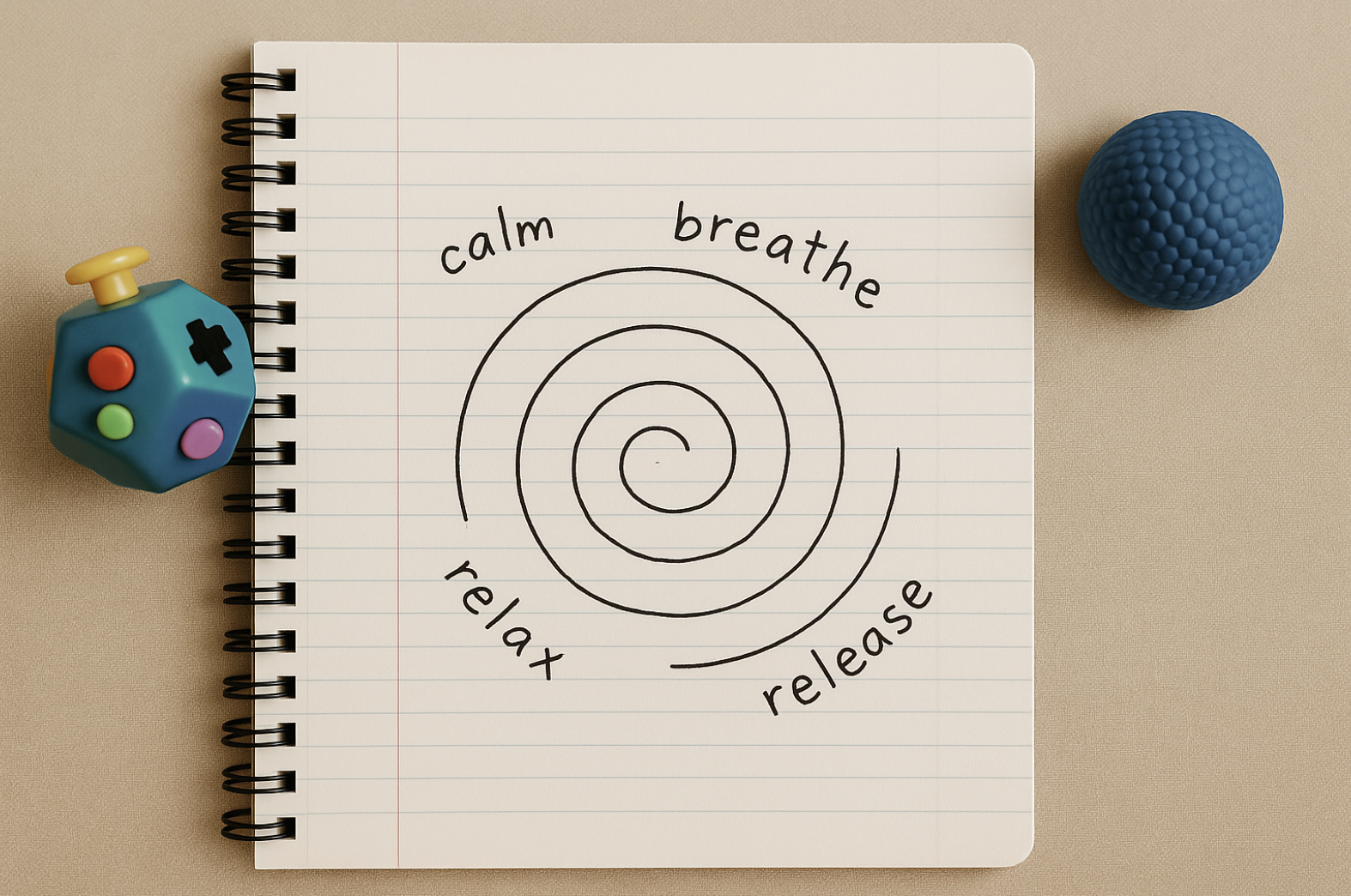
How the Spiral Technique Helps Anxious Teens Feel Safe and In Control
When your teen’s anxiety kicks into overdrive, it can feel like everything spirals out of control—fast. That’s exactly why we teach the Spiral Technique in therapy. This powerful EMDR-based coping skill helps anxious teens calm their minds, regulate their bodies, and return to the present moment—all in just a few breaths. Whether it’s before a test, after a tough conversation, or during bedtime spirals, this simple visualization paired with gentle tapping gives your child a way to say, “I’m okay. I’ve got this.”

Why Your Teen Can’t Stop Overthinking—and What Actually Helps
When anxious thoughts take over, it can feel like your teen’s mind is stuck on repeat—endlessly replaying worries, what-ifs, and worst-case scenarios. This pattern, known as rumination, is one of the most common and exhausting teenage anxiety symptoms. In this post, we’ll explore how extended EMDR sessions and anxiety therapy for teens can break the cycle of overthinking and bring real relief.

How to Find a Good Child Therapist Near You (Without the Overwhelm)
Finding the right therapist for your child shouldn’t feel impossible—but when you're navigating social anxiety, school stress, or emotional overwhelm, knowing where to start can feel like too much.
With the right questions and a clear understanding of your child’s needs, it’s possible to find a therapist who specializes in teen mental health, offers tools like EMDR therapy, and helps your family move forward with confidence.
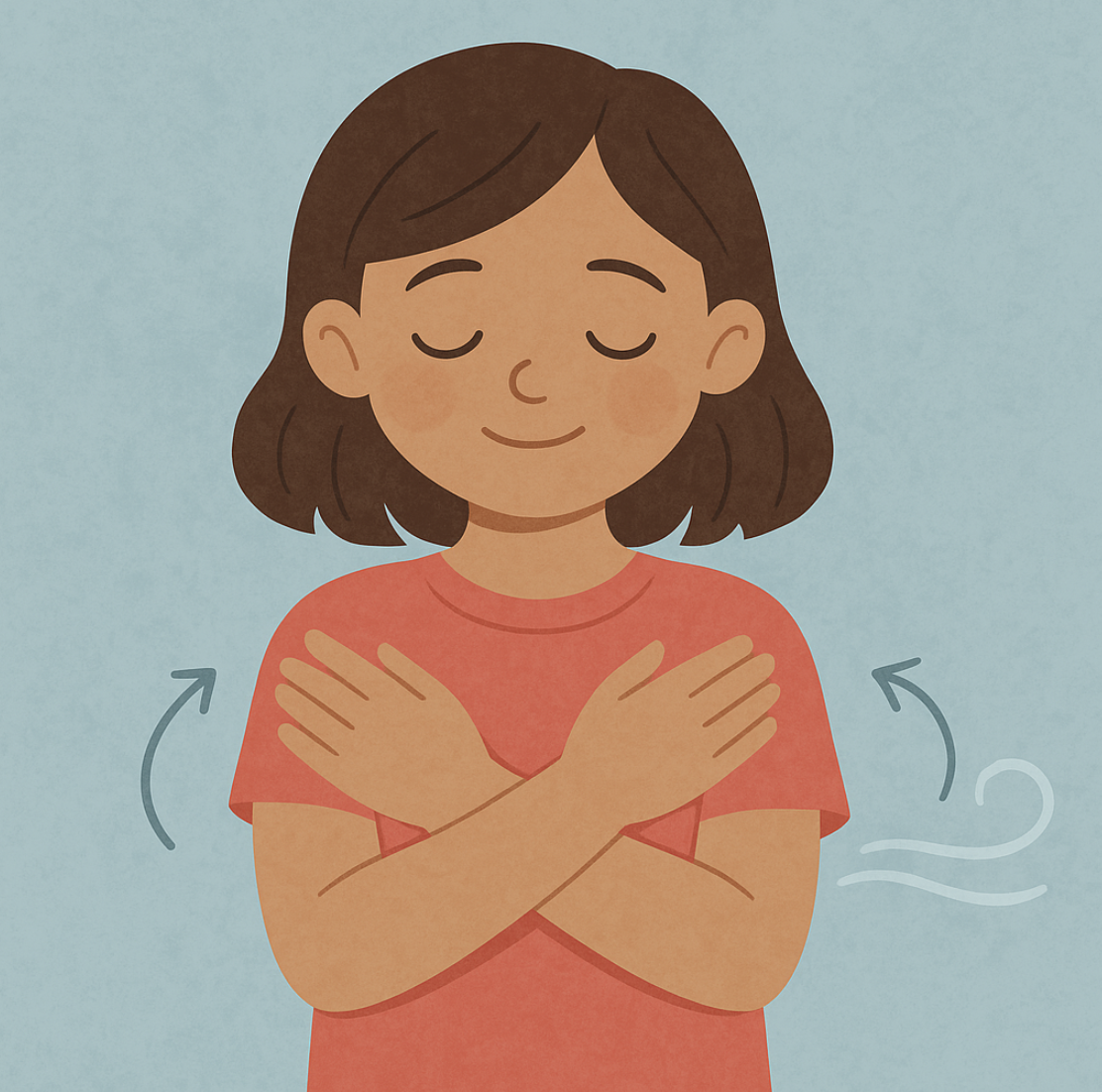
morning meltdowns- school edition
School mornings shouldn’t feel like a crisis. If your child melts down over getting dressed, complains of stomachaches, or panics at the thought of going to school, you’re not alone—and it’s not bad behavior. It’s likely school anxiety, and it’s more common than you think. Let’s review what school anxiety really looks like, shares practical coping skills for kids, and explains how therapy can help your child—and your mornings—feel a whole lot lighter.
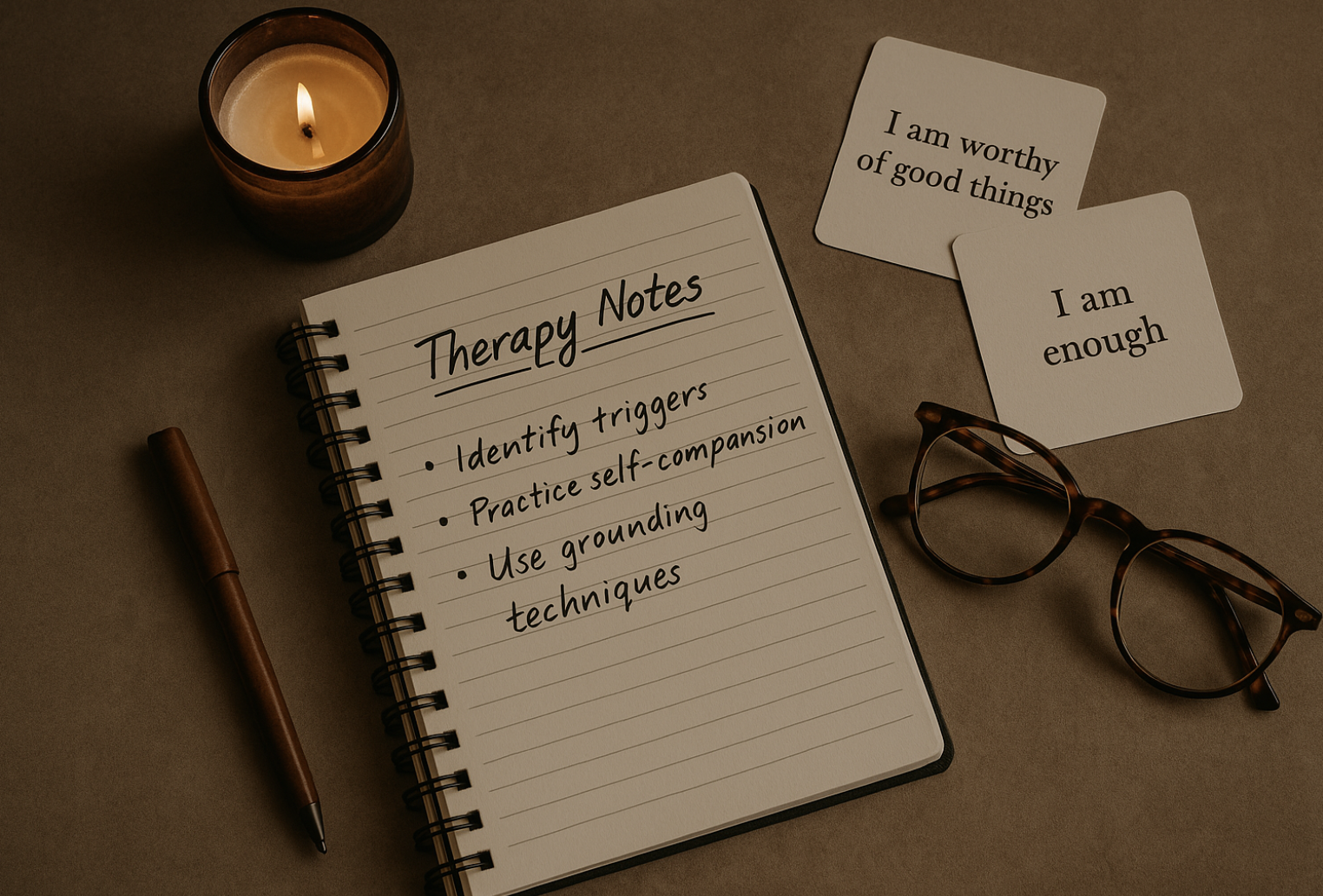
How to Support a Loved One Struggling With Mental Health
When your child is struggling with anxiety, it’s hard to know how to help. You want to support them—but without making it worse or saying the wrong thing. This guide shares the signs your child may need mental health support, what to do (and not do) when they’re overwhelmed, and how therapy can offer lasting relief for the whole family.

Why Therapy Matters
Therapy isn’t just for when things fall apart—it’s a powerful tool for growth, healing, and emotional resilience.
When stigma keeps families from seeking support, anxious teens are left carrying more than they should. Working with an anxiety therapist in NJ or starting EMDR therapy in New Jersey can help teens feel stronger, calmer, and more understood—without the shame or second-guessing.

Common Mistakes Parents Make with Anxious Kids
Many well-meaning parents accidentally make anxiety worse for their kids. Reassuring too much, avoiding triggers, or rushing to fix the problem can keep children stuck in fear. The key to building real confidence lies in validating their feelings, teaching coping skills, and gently helping them face fears one step at a time.

The Awkward Art of Teen Boundaries
When teens don’t know how to set boundaries, anxiety often fills the gap. People-pleasing, burnout, and friendship drama can pile up fast—especially for teens who are scared to say no or worry they’ll hurt someone’s feelings. Teaching healthy boundaries isn’t just a social skill—it’s a form of emotional protection that builds self-respect and confidence.

Somatic Tools to Help Teens Feel Safe and Strong
When anxiety makes your teen feel unsafe in their own body—especially around germs or dirt—somatic tools can help. These body-based coping strategies teach teens how to calm their nervous system, build trust in themselves, and feel strong, grounded, and in control again.

Teen Anxiety Isn’t Drama—It’s a Nervous System Asking for Help
Anxiety in teens doesn’t always look like worry—it can show up as irritability, withdrawal, or even panic attacks that seem to come out of nowhere. If your teen says they feel anxious for no reason, it’s often their nervous system signaling distress. Learn how to recognize teen anxiety symptoms and how mental health therapy can offer the relief and regulation they need.

Understanding the Impact of Stress on Child Mental Health
Chronic stress can take a serious toll on a child’s mental and physical health—but the signs are often easy to miss. Learn how stress affects your child’s brain and body, what early warning signs to watch for, and how therapy for stress relief can help them feel calm, safe, and supported again.

Helping Teens Cope With Divorce
Divorce can be incredibly difficult for teens, often leaving them with anxiety, guilt, or unresolved emotions that impact their confidence and mental health. In this post, we’ll explore how EMDR therapy helps teens process the emotional weight of divorce, shift negative beliefs, and move forward with resilience. If your teen is still struggling—whether the divorce was recent or years ago—therapy can be a powerful step toward healing.

How Therapy Can Help Children With Life Transitions
Change can feel overwhelming for anxious kids—whether it’s starting a new school, moving, or adjusting to a big family shift. Explore how life transitions impact children’s mental health, how therapy can help them feel more grounded and confident, and what parents can do to support their child through uncertainty.

How to Help Your Teen Adjust After Daylight Saving Time Ends
Daylight saving time can leave teens feeling exhausted, moody, and out of sync—especially if they already struggle with anxiety or sleep issues. Losing an hour might not seem like much, but it can throw off their internal clock, making mornings harder and stress levels higher. In this post, we’ll break down why this happens, practical ways to help your teen adjust, and a simple visualization technique to ease stress and improve sleep after the time change.

Spring Cleaning for Your Child's Mind
Just like a messy room can make it hard to focus, mental clutter can leave your child feeling overwhelmed, anxious, and stuck in negative thought patterns. Emotional spring cleaning helps clear out self-doubt, overthinking, and perfectionism—making room for confidence and calm.

Why do simple tasks feel like life-or-death?
For teens with anxiety, speaking up in class isn’t just uncomfortable—it can feel impossible. The fear of judgment, saying the wrong thing, or looking ‘stupid’ can keep them stuck in silence. But what looks like shyness or avoidance is actually their brain treating a simple question like a real threat. However, with the right support, your teen can learn to manage anxiety, and ask for help confidently.

When Perfectionism Looks Like Laziness
If your teen is avoiding schoolwork, putting off tasks, or seems stuck in a cycle of procrastination, it might not be laziness—it could be perfectionism. The fear of not getting things just right can make starting feel impossible, leading to frustration, self-doubt, and avoidance. Perfectionism isn’t a personality trait—it’s a pattern that can be unlearned. With the right support, your teen can shift from feeling paralyzed by perfection to making progress with confidence.

Are coping skills just not enough?
You’ve taught your child deep breathing, positive affirmations, and grounding exercises—but the anxiety keeps coming back. Sound familiar? That’s because coping skills are like band-aids for a deeper wound. If your child is still struggling, it’s not about finding more coping tools—it’s about addressing the root cause. And that’s where EMDR can make all the difference.