

Why Therapy Intensives Are Ideal for People with Limited Time
Struggling to fit therapy into your family’s packed schedule? Therapy intensives for busy people offer a powerful, time-saving alternative to traditional weekly sessions. By condensing months of progress into focused, extended appointments, intensives provide fast-track mental health support—especially for teens facing anxiety or major life transitions. This efficient model is ideal for families with limited time who still want meaningful, lasting results.

5 Strategies for Managing Fall Anxiety
Seasonal changes in fall—like shorter days, packed schedules, and emotional shifts—can increase anxiety for teens. These therapist-backed strategies combine self-help tools and the benefits of EMDR therapy to support emotional balance and reduce stress during the transition.

Helping Your Teen Manage Social Anxiety as School Starts Again
Back-to-school season can be especially tough for teens with social anxiety, triggering fears about friendships, classroom participation, and fitting in. This post explores common signs of social anxiety, practical ways parents can offer support, and how EMDR and therapy intensives help teens build confidence and feel more in control.

The Dream Catcher of Feelings
The Dream Catcher of Feelings is a simple, creative way for kids to match their worries with calming tools. Children write stressors like “school work” or “anxiety” inside the circle, then add coping skills—such as coloring or playing with pets—on the hanging pieces. Connecting them visually builds emotional awareness, confidence, and a ready-to-use coping skills toolkit for home, school, or child therapy.

Coping With the Empty Nest: Advice for Parents
The empty nest phase often brings a complex mix of pride, grief, and uncertainty. As routines shift and roles change, many parents find themselves questioning their identity and searching for a renewed sense of purpose. Therapy offers emotional support and guidance during this transition, helping parents manage their emotions, reconnect with themselves, and navigate life’s next chapter with intention.

What Makes Summer the Perfect Time to Participate in a Therapy Intensive
Summer offers more than just a break from school—it’s a powerful opportunity for emotional growth. In this post, we explore why summer therapy intensives are ideal for teens struggling with anxiety, how EMDR for teens accelerates healing, and why this season is the perfect time to invest in your child’s mental health. Learn how focused, extended sessions can help your teen feel calmer, more confident, and ready for the school year ahead.

using emdr to Reclaim Teen Confidence this summer
Struggling with your teen’s body image battles? In today’s world of TikTok trends and filtered Instagram feeds, it’s easy for teens to feel like they’ll never measure up. This blog explores how EMDR therapy helps teens heal from the inside out—by shifting the painful beliefs and anxiety driving body shame.

Anxiety After High School Graduation: Why You Feel Stuck and What Actually Helps
You’ve crossed the stage, heard the applause, and taken the photos — but instead of excitement, you feel anxious, stuck, or unsure about what’s next. Post-graduation anxiety is more common than you think. This blog breaks down why it happens, what it looks like, and how to cope with the pressure, uncertainty, and fear that can come after high school ends. If you’re overwhelmed by all the “what now?” questions, this one’s for you.
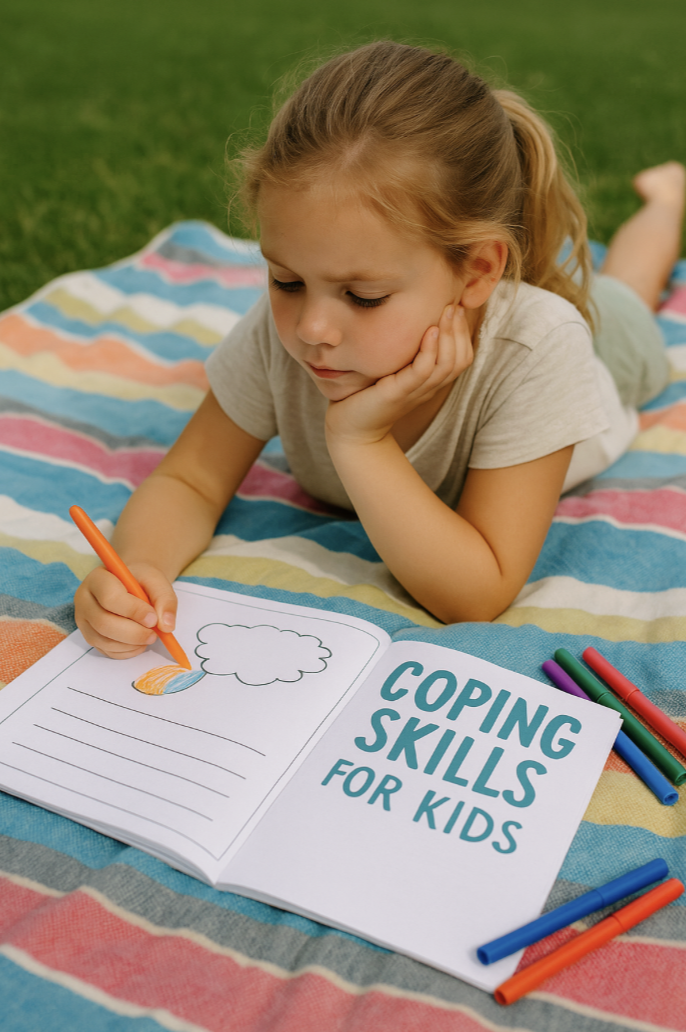
Helping Your Child Manage Anxiety When There's "Nothing to Be Anxious About"
Even when life seems calm on the outside, your child may still be struggling on the inside. Anxiety doesn’t always come with a clear reason—and that can leave parents feeling stuck. This blog explores how everyday worries can impact kids, how play therapy and child counseling can help, and shares simple coping skills you can try at home. If your child often says “I don’t know why I’m scared,” this is for you.

Why Summer Is the Perfect Time to Start Therapy
Summer is often seen as a season of fun and freedom—but for anxious kids, it can also be a time of emotional overwhelm. Without school routines, some children feel untethered, while others finally have the space to breathe. Summer creates ideal conditions for building coping skills, boosting emotional regulation, and setting your child up for a calmer, more confident fall. Therapy during this slower season isn’t just convenient—it’s transformative.

Helping Anxious Kids Build Confidence This Summer — Without More Talk Therapy
Many anxious kids need more than talk therapy to build confidence and emotional regulation. This summer horsemanship program offers hands-on, experiential therapy with horses to help kids with anxiety, low self-esteem, and big emotions develop real-world coping skills in a fun, supportive setting.
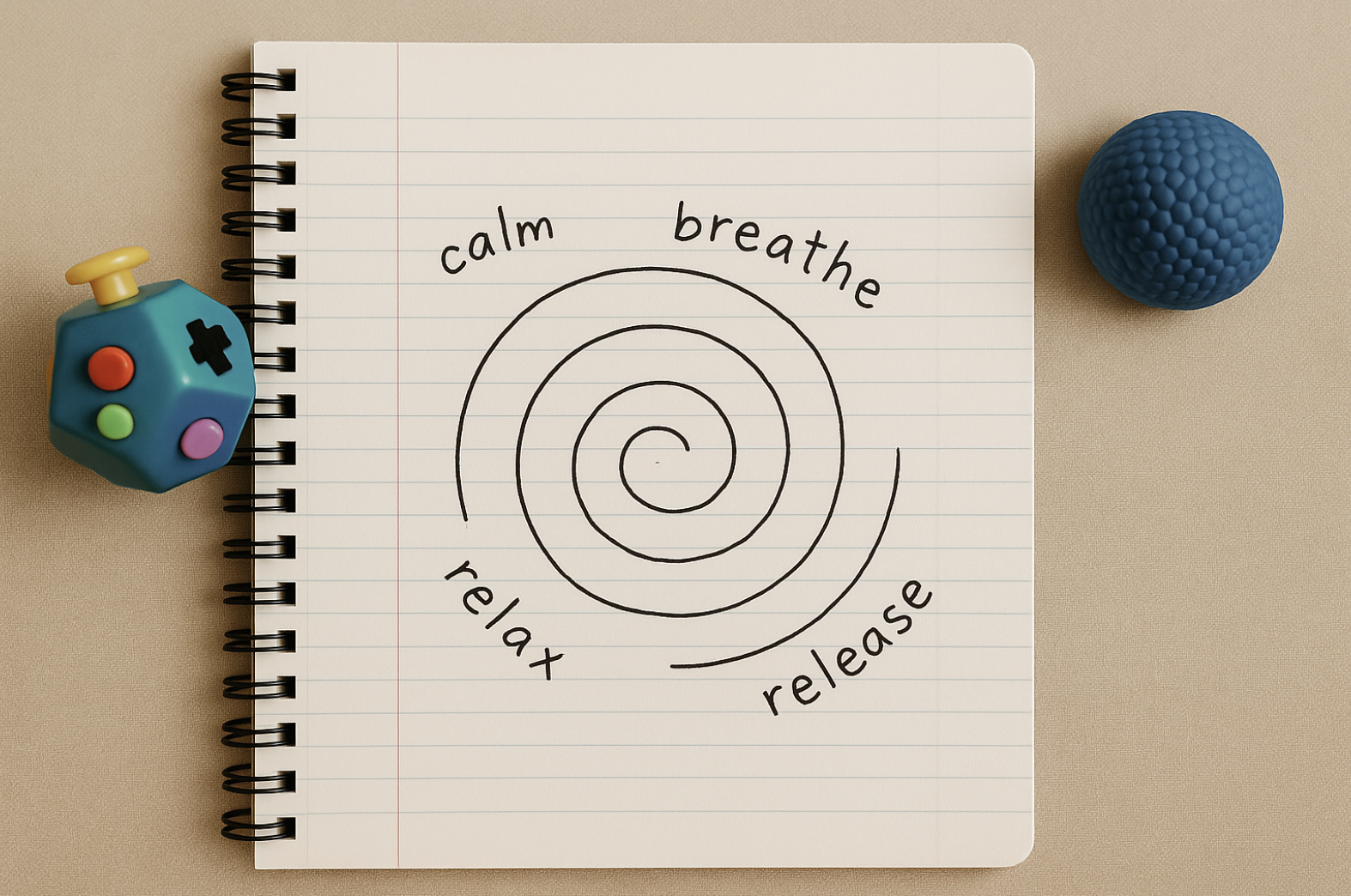
How the Spiral Technique Helps Anxious Teens Feel Safe and In Control
When your teen’s anxiety kicks into overdrive, it can feel like everything spirals out of control—fast. That’s exactly why we teach the Spiral Technique in therapy. This powerful EMDR-based coping skill helps anxious teens calm their minds, regulate their bodies, and return to the present moment—all in just a few breaths. Whether it’s before a test, after a tough conversation, or during bedtime spirals, this simple visualization paired with gentle tapping gives your child a way to say, “I’m okay. I’ve got this.”

Why Your Teen Can’t Stop Overthinking—and What Actually Helps
When anxious thoughts take over, it can feel like your teen’s mind is stuck on repeat—endlessly replaying worries, what-ifs, and worst-case scenarios. This pattern, known as rumination, is one of the most common and exhausting teenage anxiety symptoms. In this post, we’ll explore how extended EMDR sessions and anxiety therapy for teens can break the cycle of overthinking and bring real relief.
How to Find a Good Child Therapist Near You (Without the Overwhelm)
Finding the right therapist for your child shouldn’t feel impossible—but when you're navigating social anxiety, school stress, or emotional overwhelm, knowing where to start can feel like too much.
With the right questions and a clear understanding of your child’s needs, it’s possible to find a therapist who specializes in teen mental health, offers tools like EMDR therapy, and helps your family move forward with confidence.
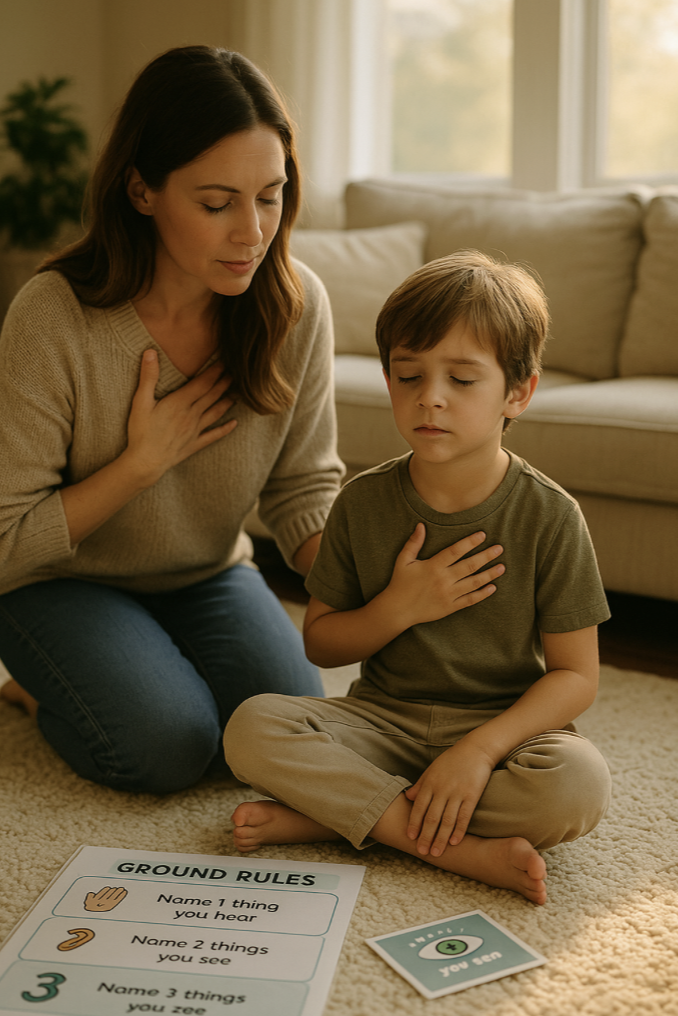
the 3-3-3 Grounding technique
When anxiety takes over, your child doesn’t need more words—they need grounding. The 3-3-3 Rule is a simple, kid-friendly technique that helps anxious children feel safe, present, and back in control. Learn how to use it during anxiety spikes, how to turn it into a calming game, and why it's one of the most effective coping skills for kids dealing with school anxiety and everyday overwhelm.
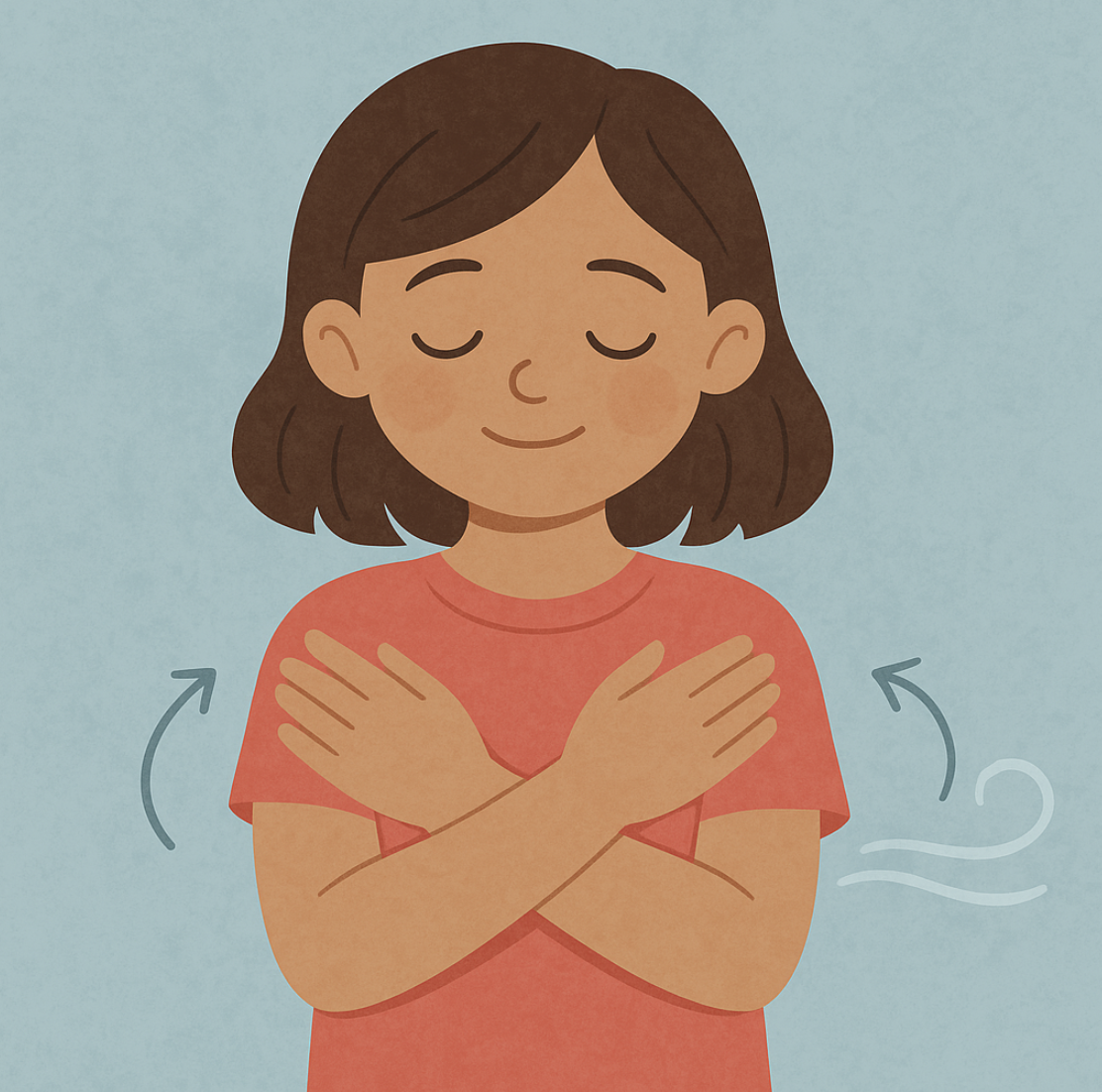
morning meltdowns- school edition
School mornings shouldn’t feel like a crisis. If your child melts down over getting dressed, complains of stomachaches, or panics at the thought of going to school, you’re not alone—and it’s not bad behavior. It’s likely school anxiety, and it’s more common than you think. Let’s review what school anxiety really looks like, shares practical coping skills for kids, and explains how therapy can help your child—and your mornings—feel a whole lot lighter.
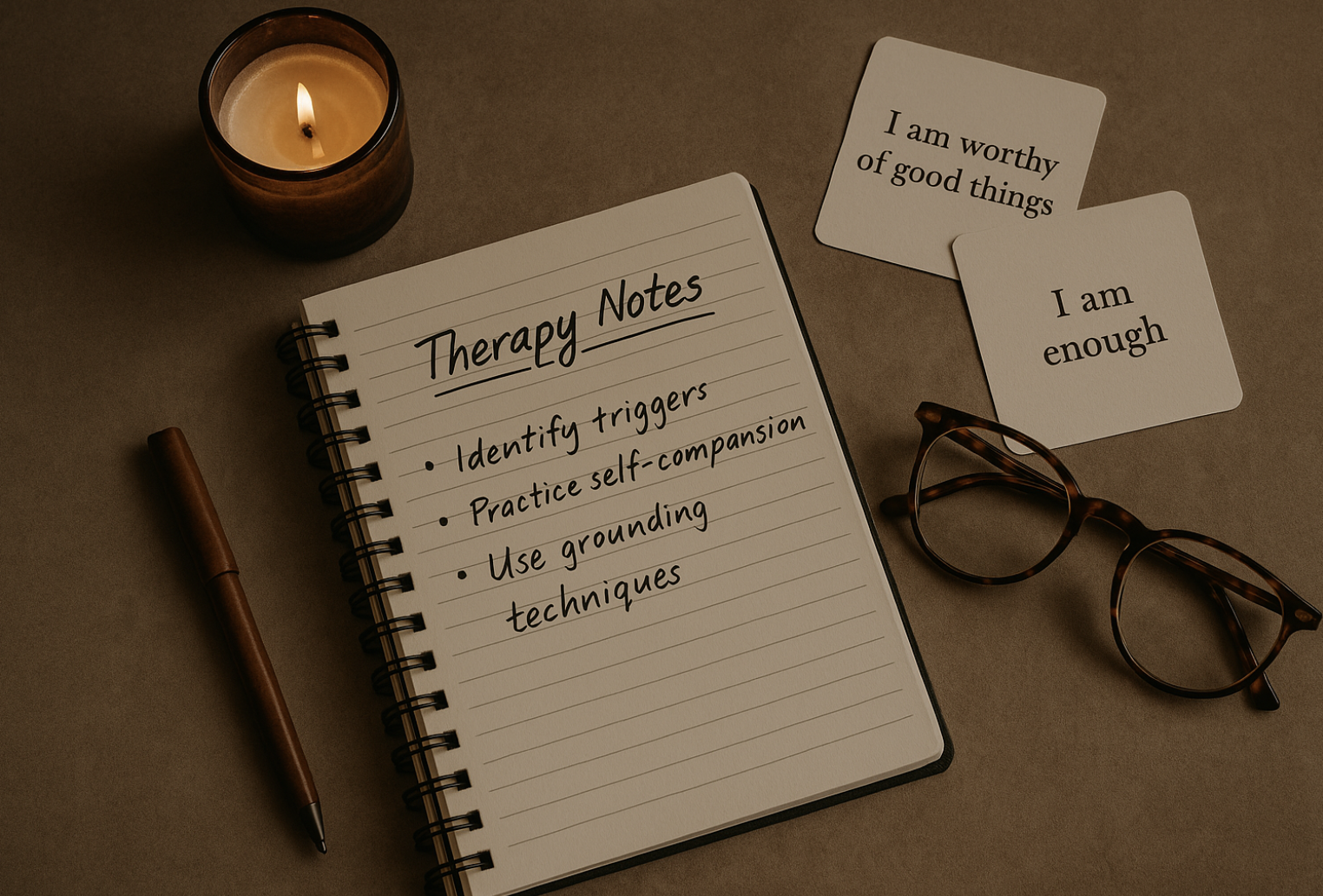
How to Support a Loved One Struggling With Mental Health
When your child is struggling with anxiety, it’s hard to know how to help. You want to support them—but without making it worse or saying the wrong thing. This guide shares the signs your child may need mental health support, what to do (and not do) when they’re overwhelmed, and how therapy can offer lasting relief for the whole family.

Why Therapy Matters
Therapy isn’t just for when things fall apart—it’s a powerful tool for growth, healing, and emotional resilience.
When stigma keeps families from seeking support, anxious teens are left carrying more than they should. Working with an anxiety therapist in NJ or starting EMDR therapy in New Jersey can help teens feel stronger, calmer, and more understood—without the shame or second-guessing.

Common Mistakes Parents Make with Anxious Kids
Many well-meaning parents accidentally make anxiety worse for their kids. Reassuring too much, avoiding triggers, or rushing to fix the problem can keep children stuck in fear. The key to building real confidence lies in validating their feelings, teaching coping skills, and gently helping them face fears one step at a time.

The Awkward Art of Teen Boundaries
When teens don’t know how to set boundaries, anxiety often fills the gap. People-pleasing, burnout, and friendship drama can pile up fast—especially for teens who are scared to say no or worry they’ll hurt someone’s feelings. Teaching healthy boundaries isn’t just a social skill—it’s a form of emotional protection that builds self-respect and confidence.